Buy ethnobotanicals online. Blue lotus, kanna, wild dagga, and rare botanicals.
plantae sacrae
Blue lotus, kanna, wild dagga, akuamma, mulungu bark, syrian rue, dream herb — 38 plants and extracts you usually have to track down from specialty importers. We ship them from Portland.

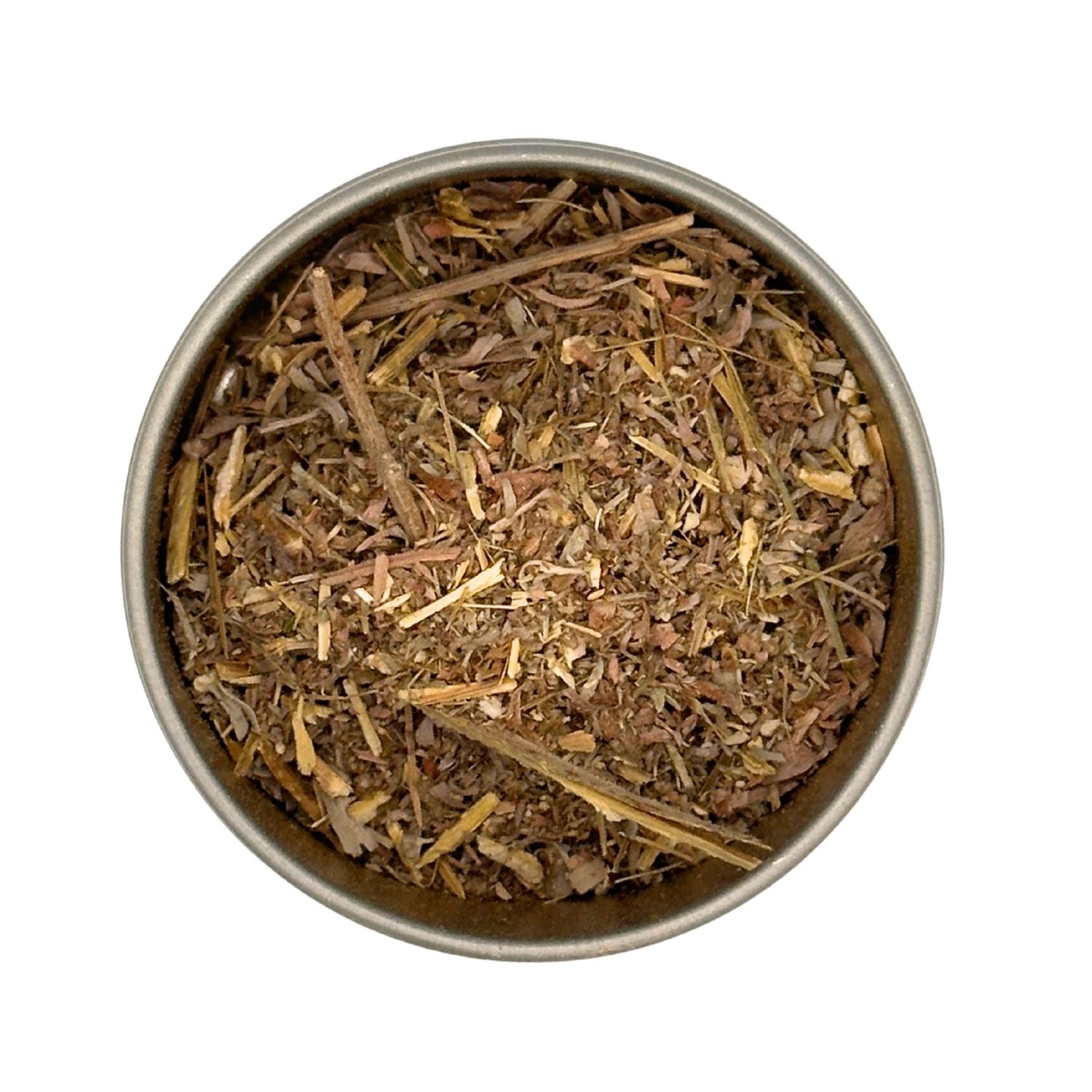


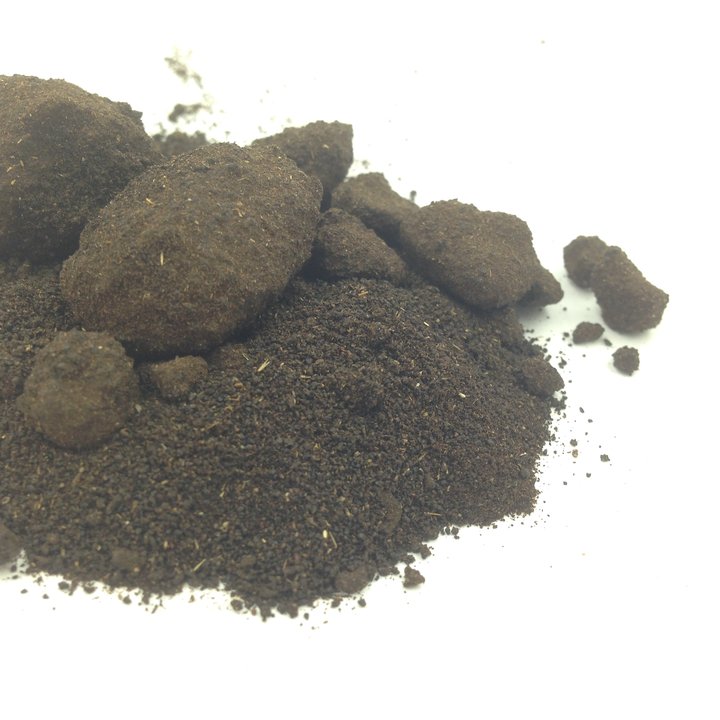
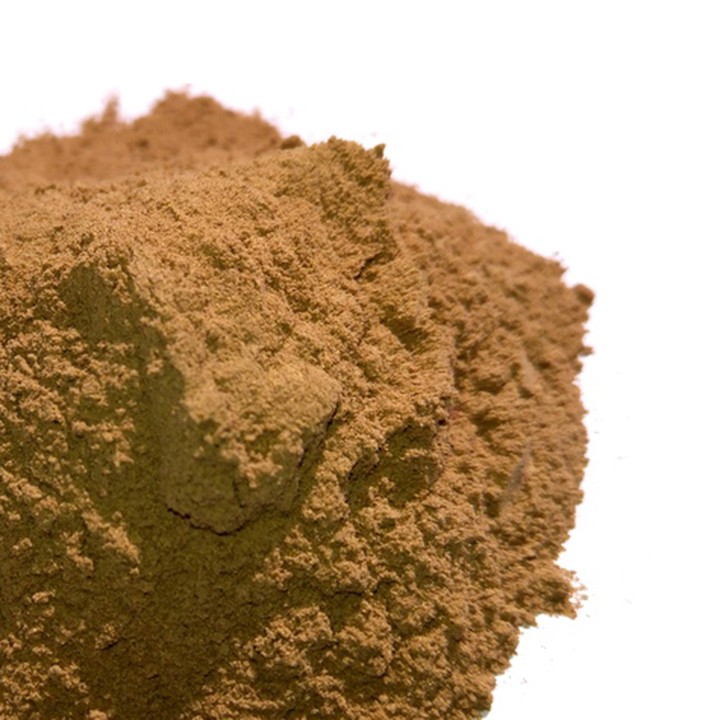


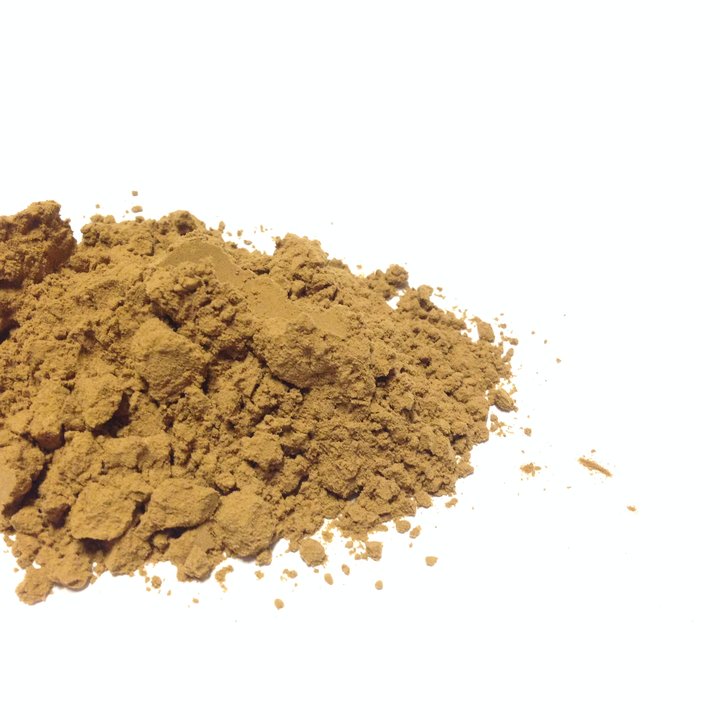
identity
Check the species.
Ethnobotanicals get faked or substituted constantly in the supply chain, so read the botanical name on each product page.
sourcing
Sold by weight.
Plant material is sold loose by weight, with extracts and tinctures in small sizes.
testing
Certificates of analysis.
Certificates of analysis are available on request.
about ethnobotanicals
What is an ethnobotanical?
Ethnobotany is the study of how cultures use plants. An ethnobotanical, loosely, is any plant with a long human history of intentional, non-culinary use: for ceremony, for ritual, for sleep, for connection. The word covers an enormous range of plants, and it is the term most people reach for when they are hunting down a specific herb they read about but can't find on a grocery shelf.
It's a wide category. The fermented succulent of southern Africa (kanna), the river-edge flowers of ancient Egypt (blue lotus), the harmala seeds of the eastern Mediterranean (syrian rue) all live under the same broad tent. So do quieter, better-documented plants like wild lettuce, passion flower, and the various wild dagga preparations. Below is a short, plain-language guide to the ethnobotanicals people ask us about most.
Kanna (Sceletium tortuosum)
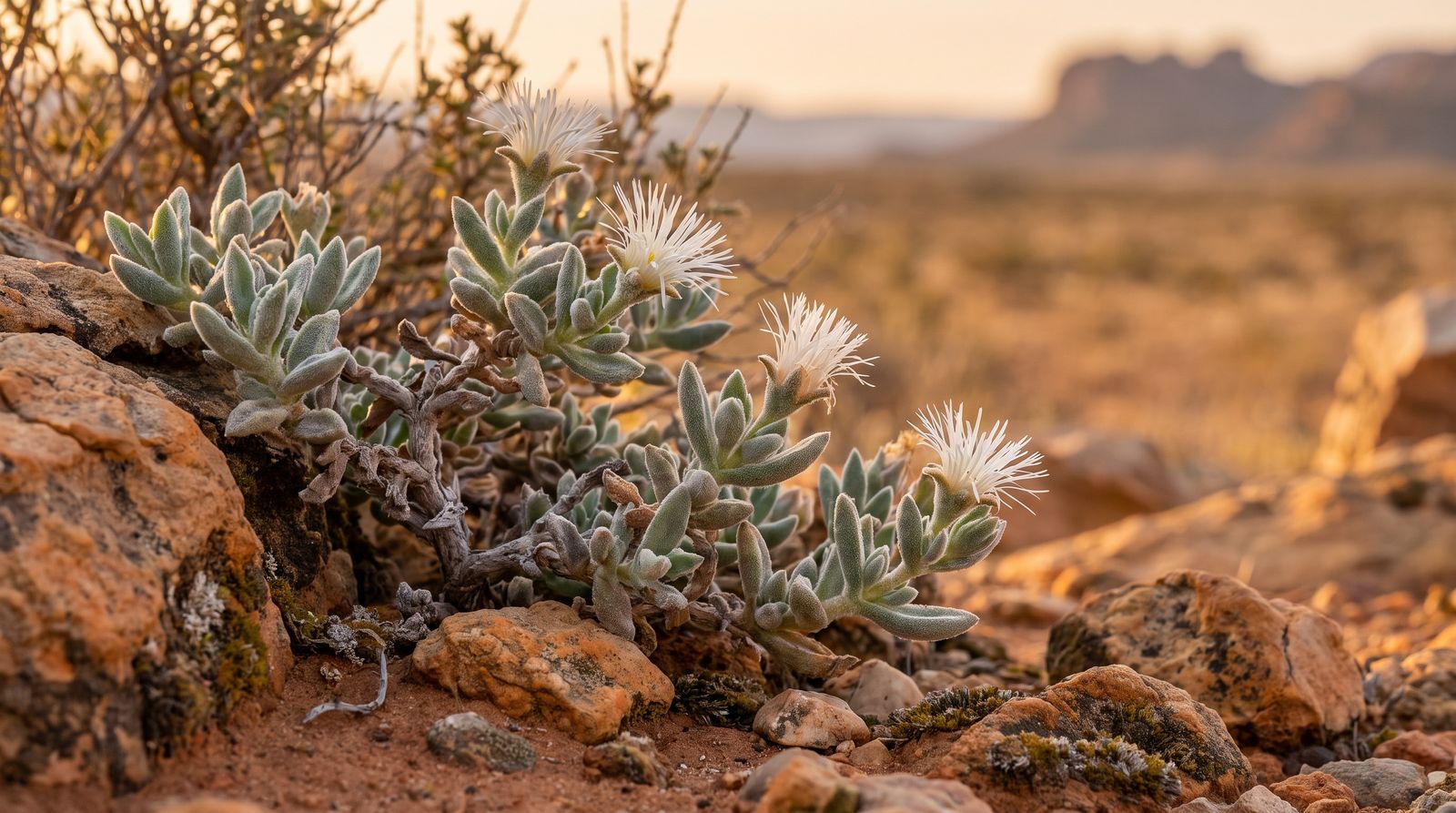
So what is kanna? Kanna is Sceletium tortuosum, a low, sprawling succulent native to the arid Cape regions of South Africa. It is the single most-searched ethnobotanical we stock, and for good reason: the kanna plant has one of the longest continuous traditions of use of anything in this catalog. The San and Khoikhoi peoples of southern Africa historically fermented the harvested plant, packing it to cure over several days before drying it, a step that gives traditional kanna its distinct character.
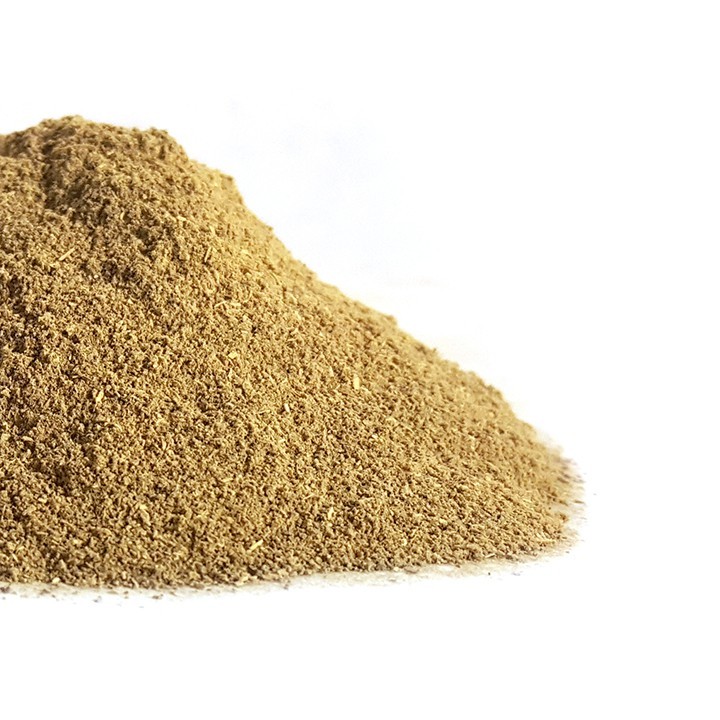
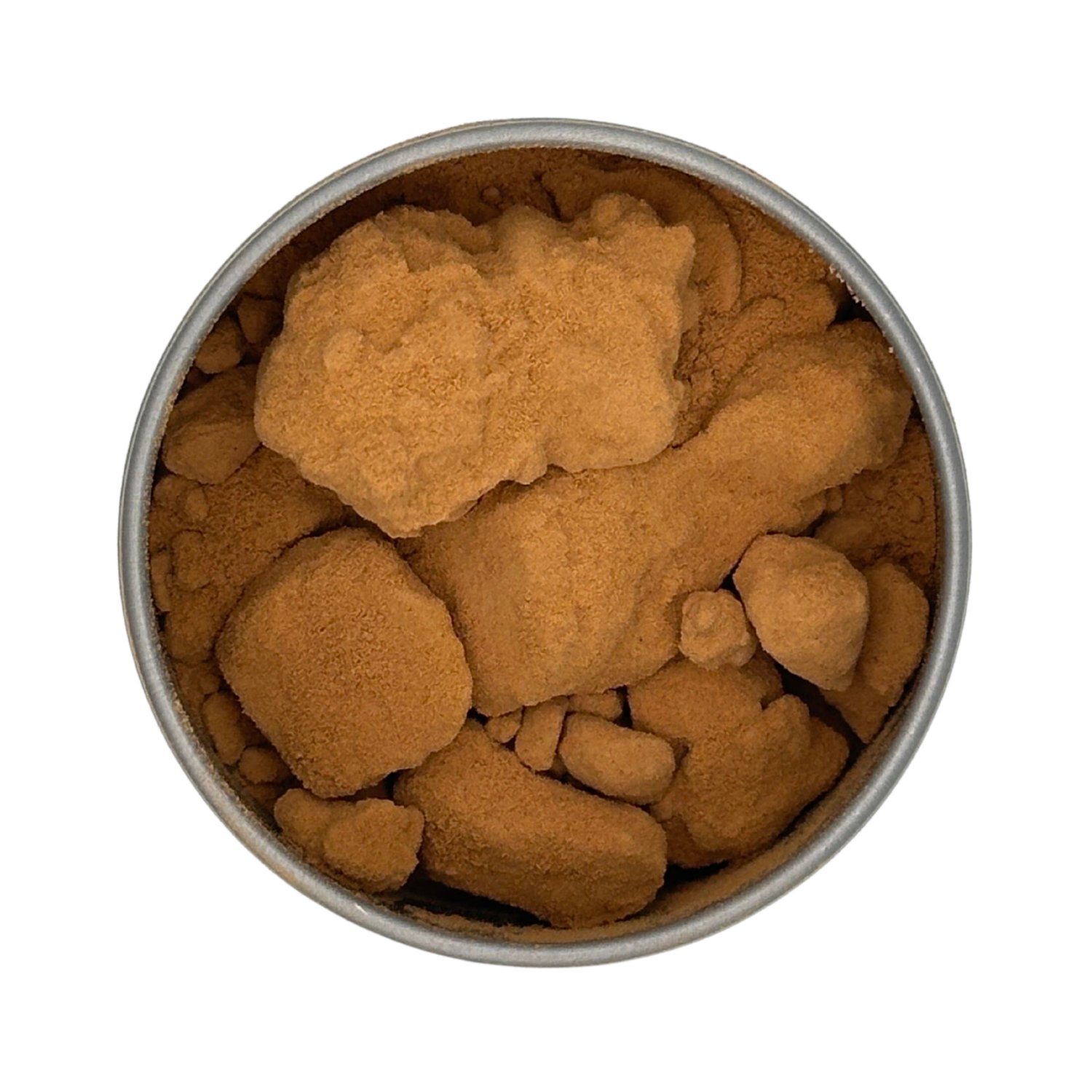
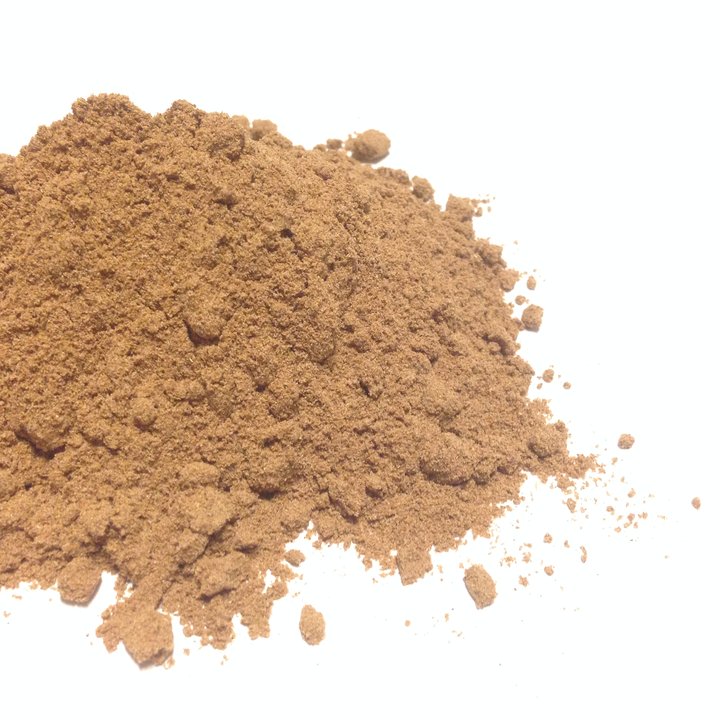
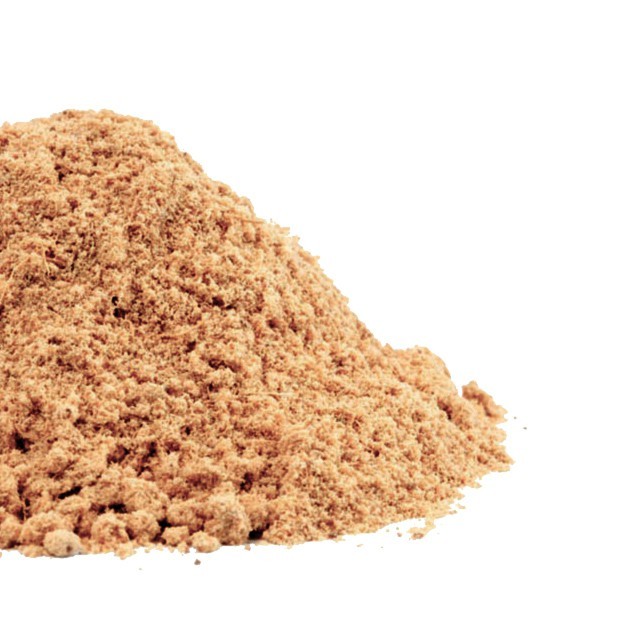
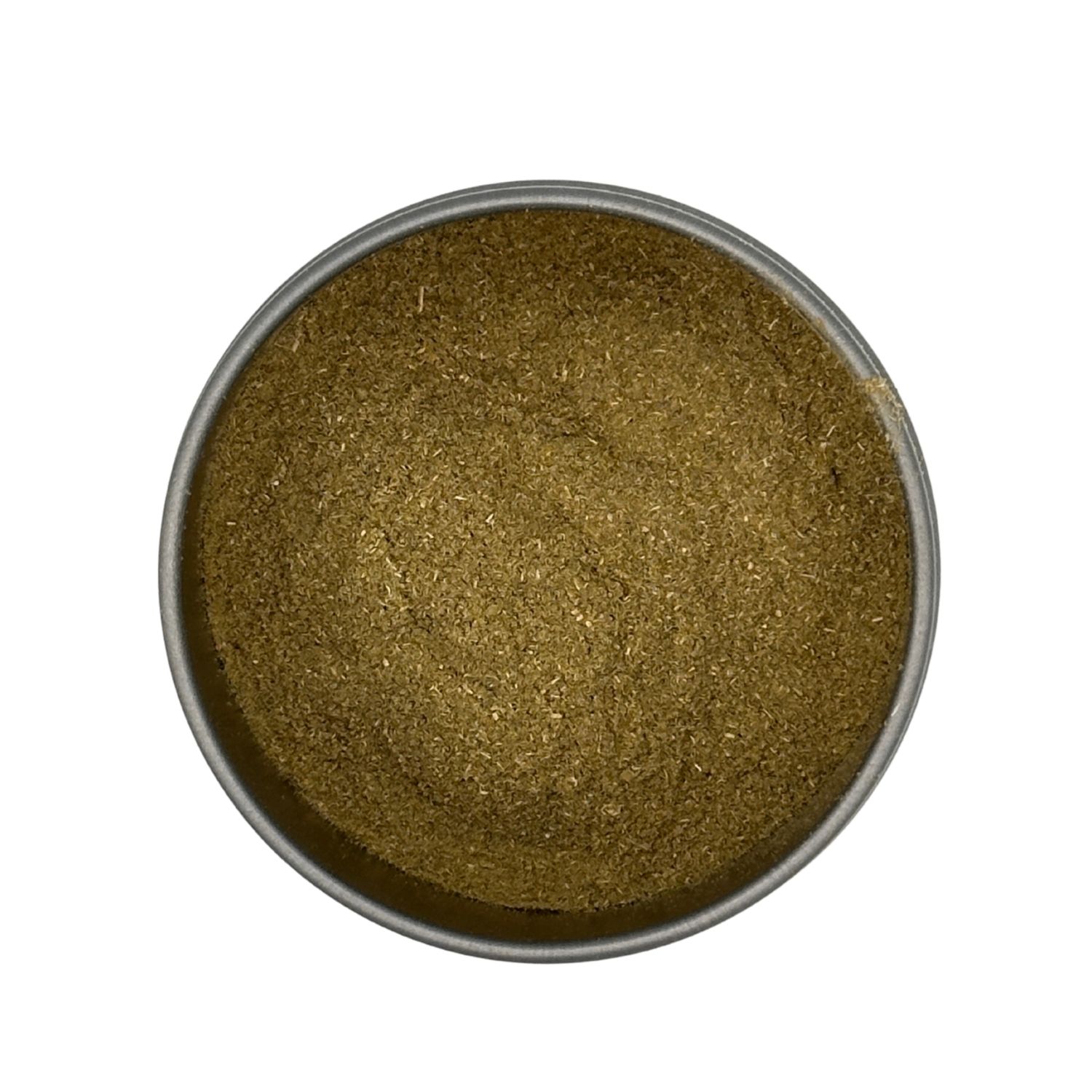
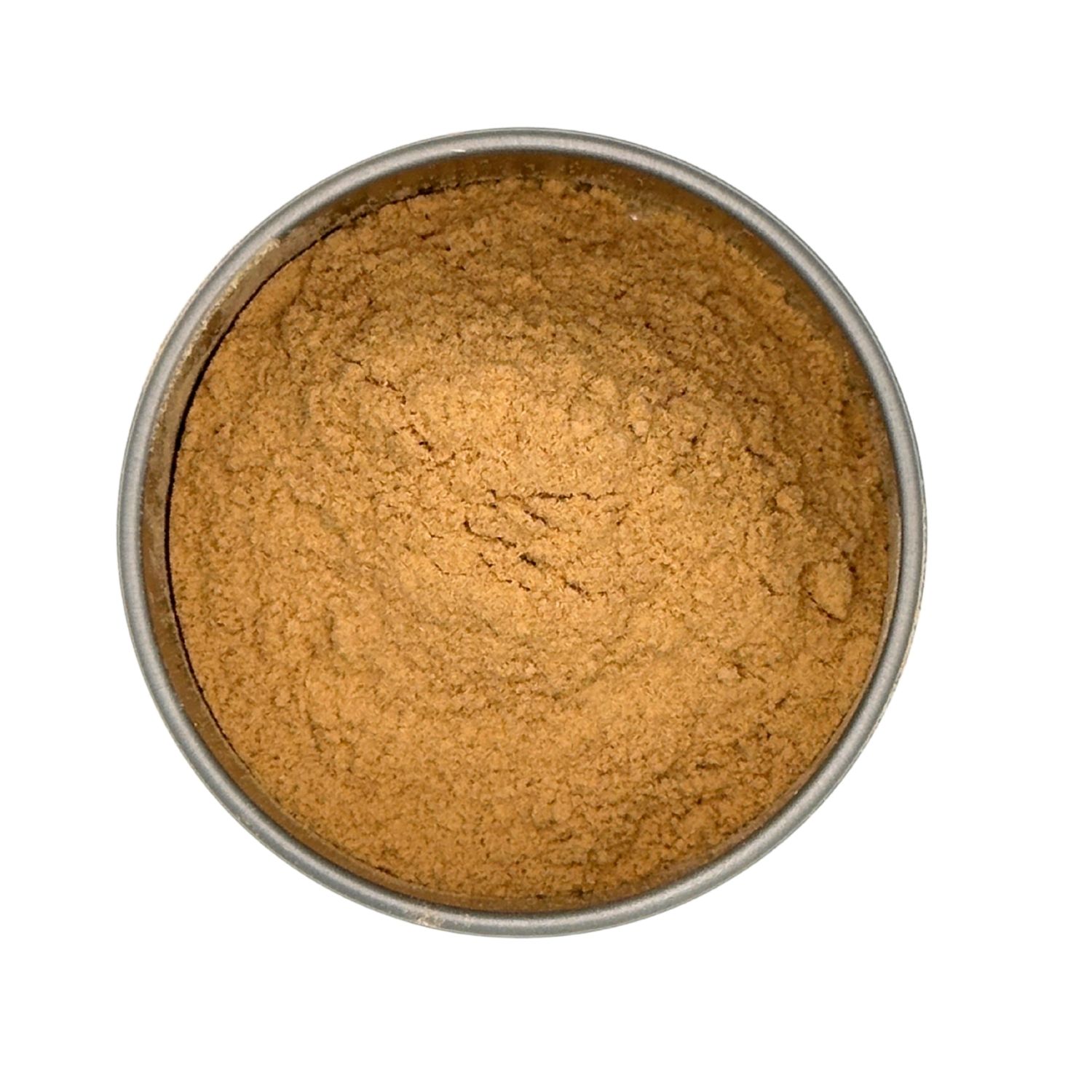
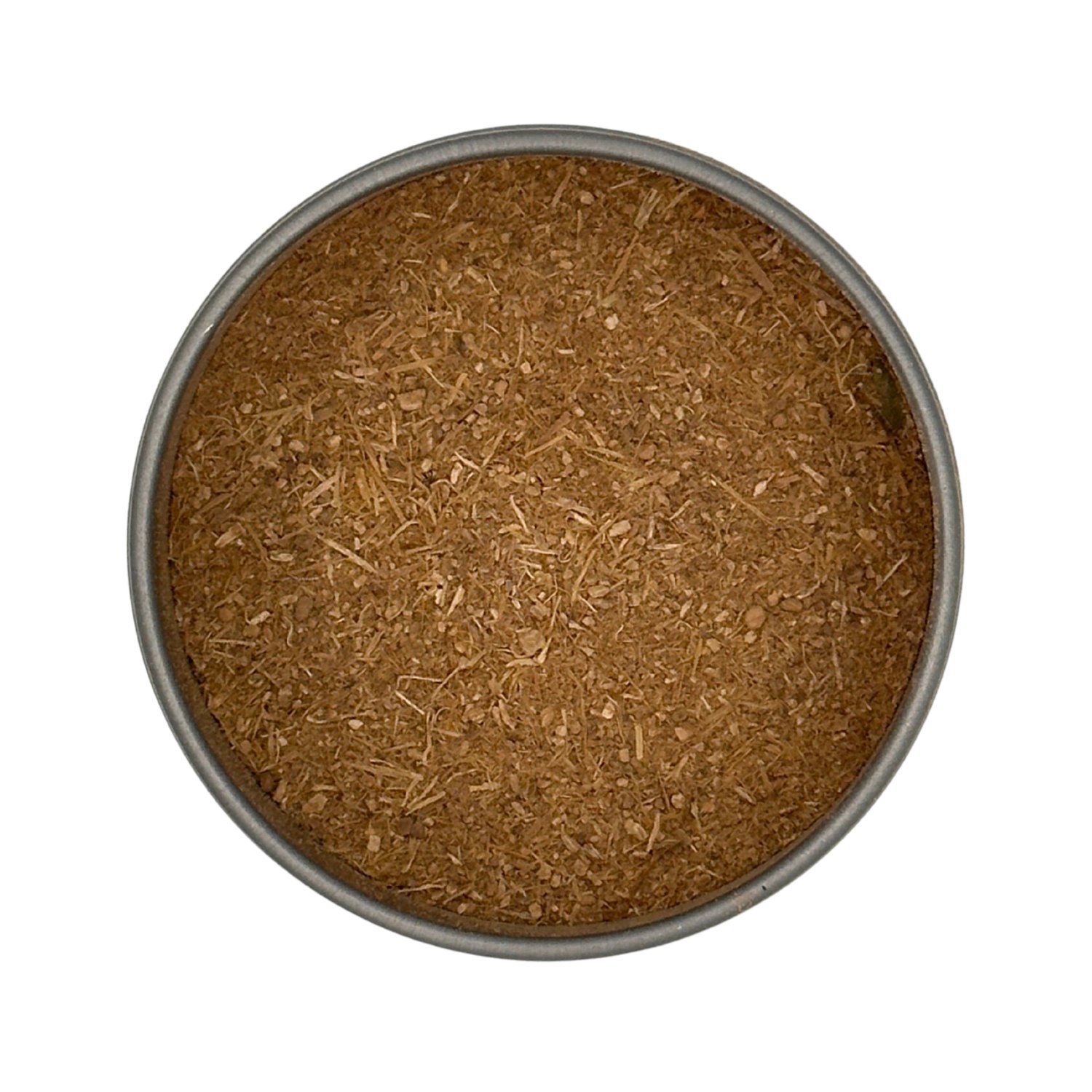
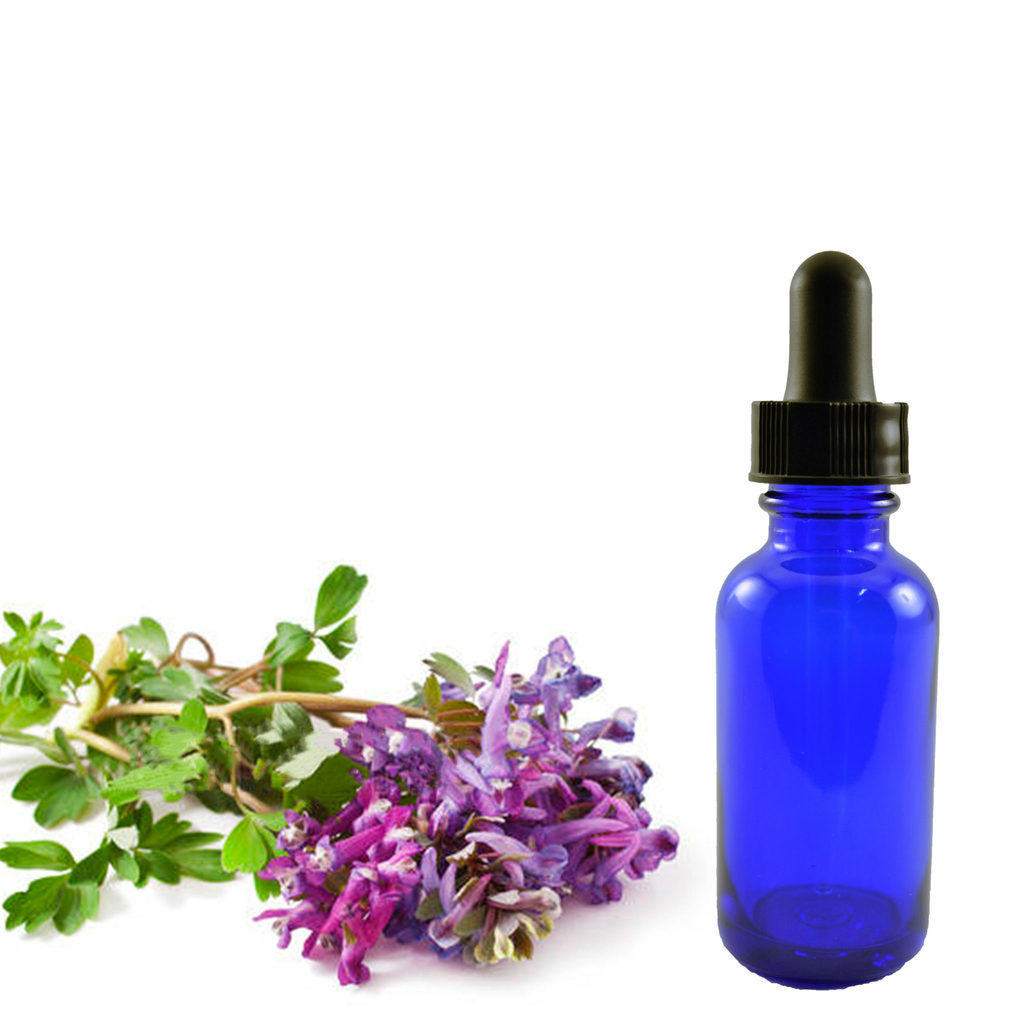
We carry kanna in a few forms. Our kanna powder is the finely milled plant, the most common way people buy kanna, while Kanna Coarse is the coarse-cut leaf material sourced directly from a South African partner. If you want a liquid instead, the kanna tincture is an alcohol-based kanna extract in a dropper bottle. We make no health or therapeutic claims about any of them; we describe what the plant is and where it comes from, and leave the rest to your own research.
Wild dagga (Leonotis leonurus)
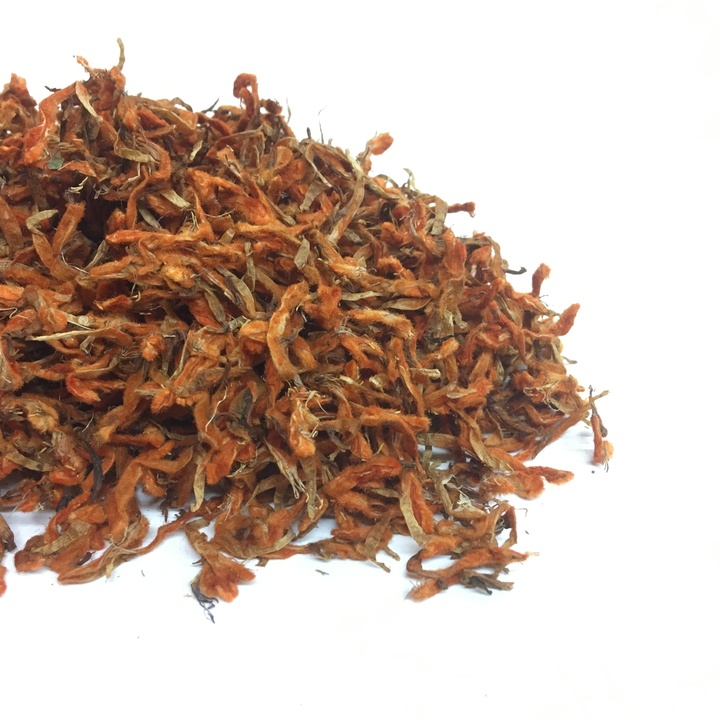
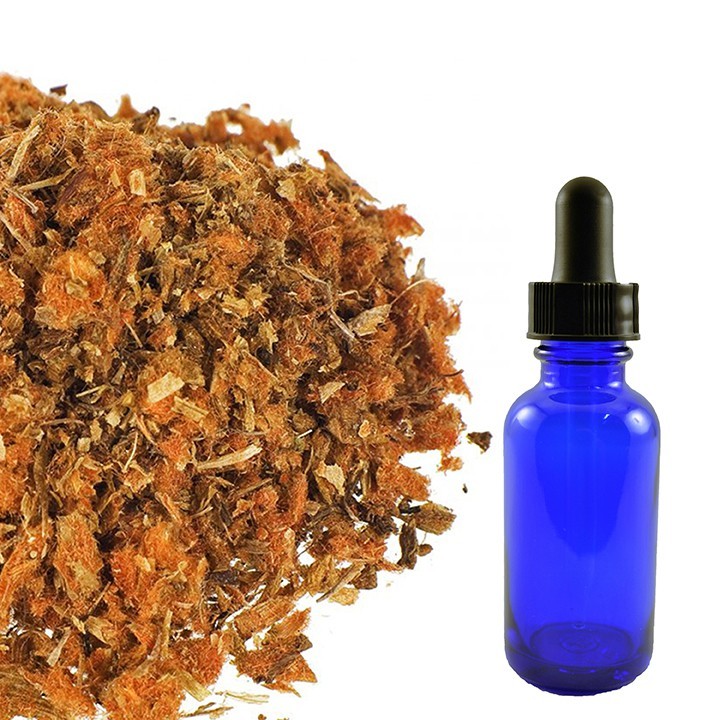
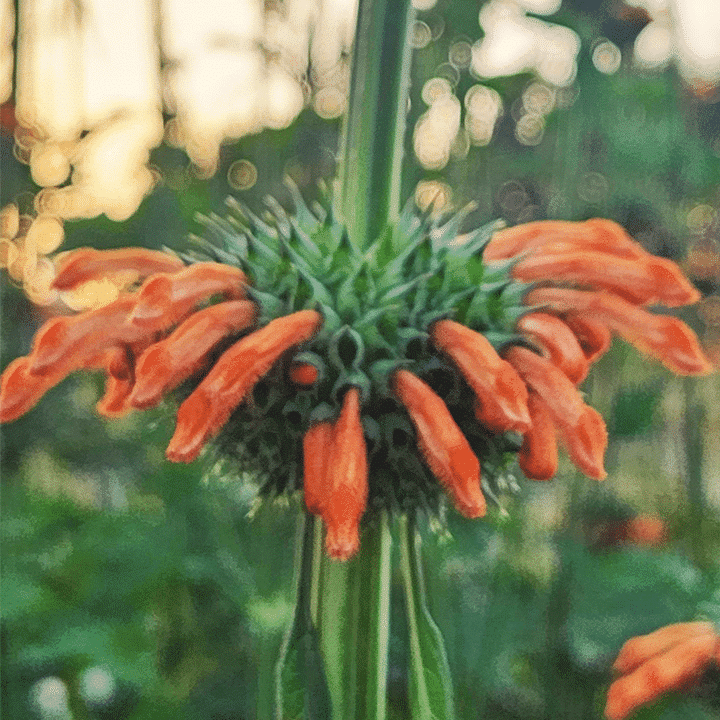
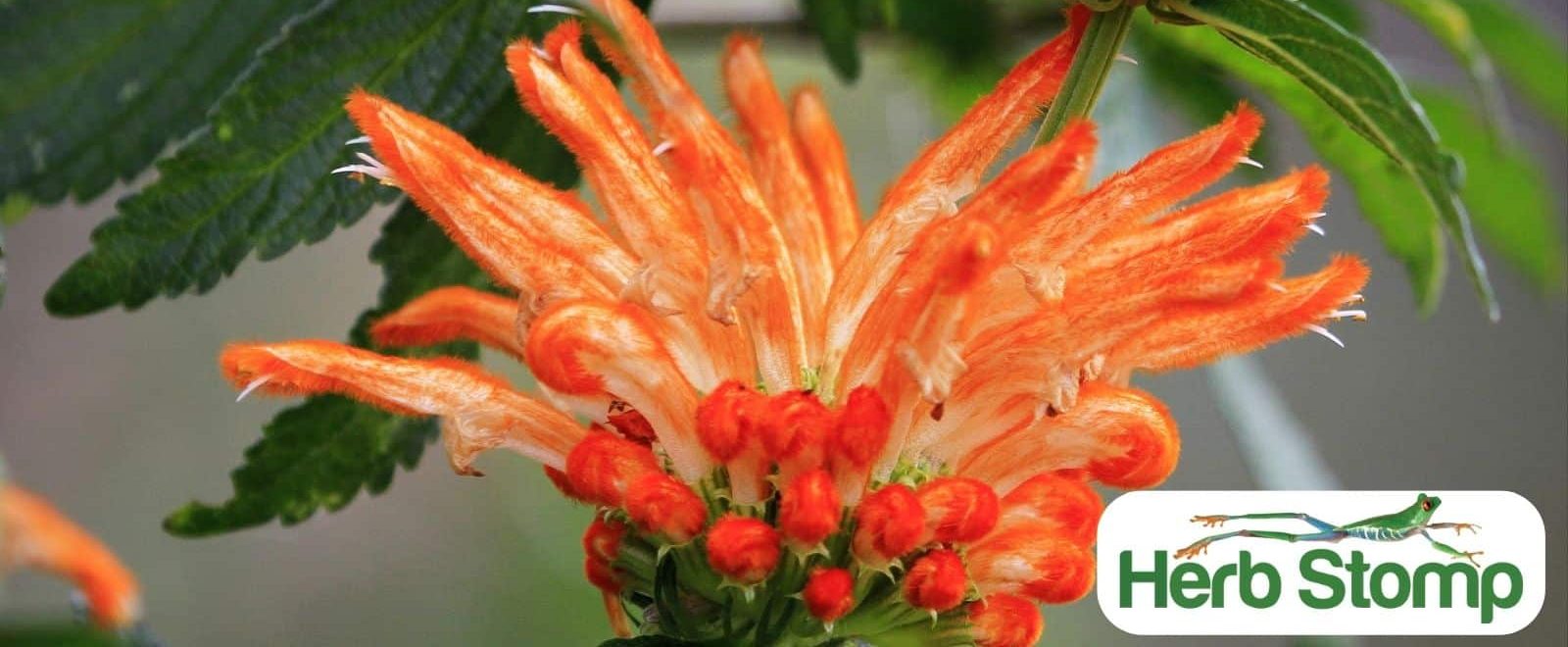
Wild dagga is Leonotis leonurus, a tall shrub in the mint family known by the English common name "Lion's Tail" for its spikes of furry orange tubular flowers. It is native to South Africa, from the eastern Cape to Natal, where Zulu people and other groups have a long recorded history with the plant. We stock the wild dagga flowers as the dried whole flower, plus a concentrated Wild Dagga 20x extract. Its close cousin klip dagga (Leonotis nepetifolia, "Lion's Ear") is a separate but related plant we also carry.
Syrian rue (Peganum harmala)
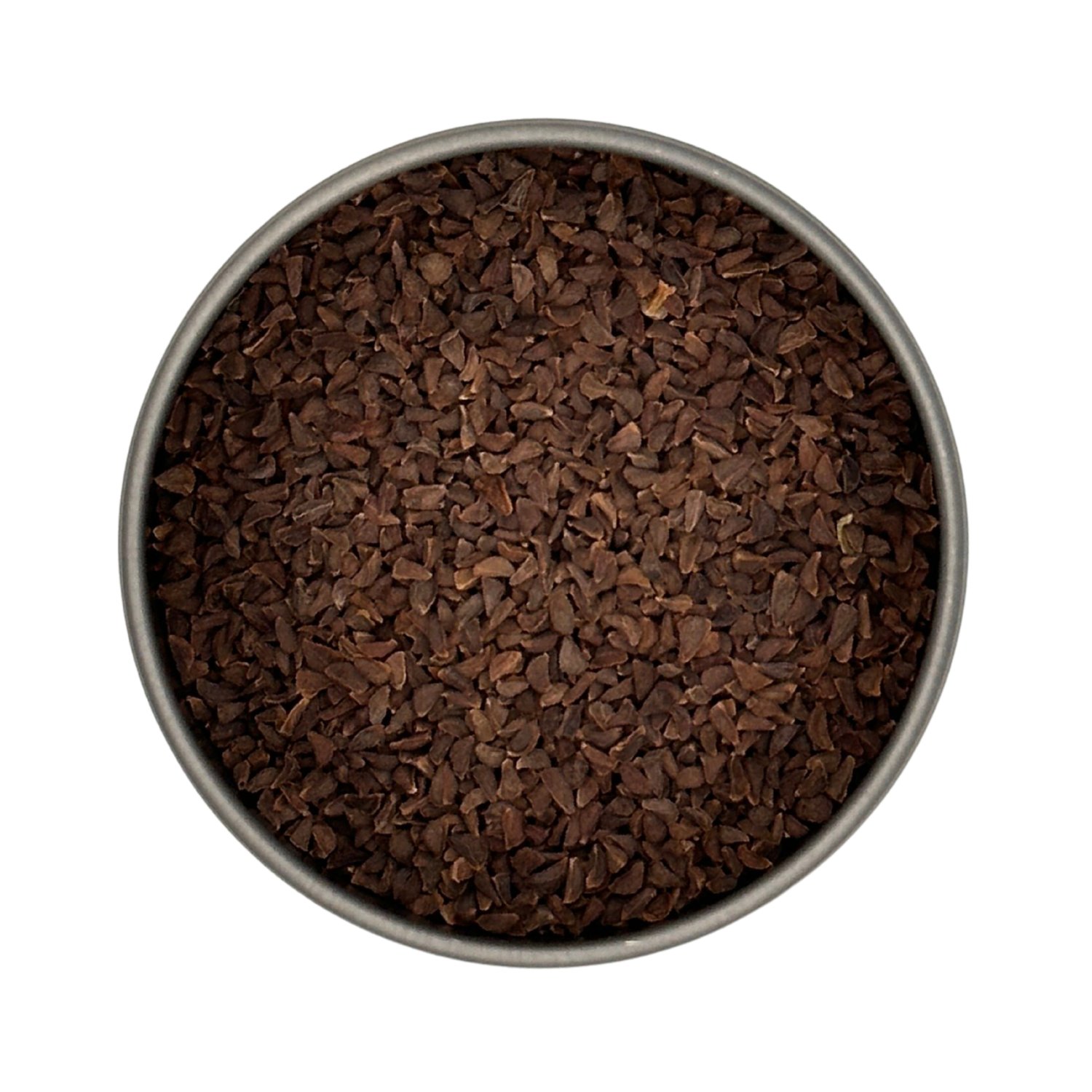
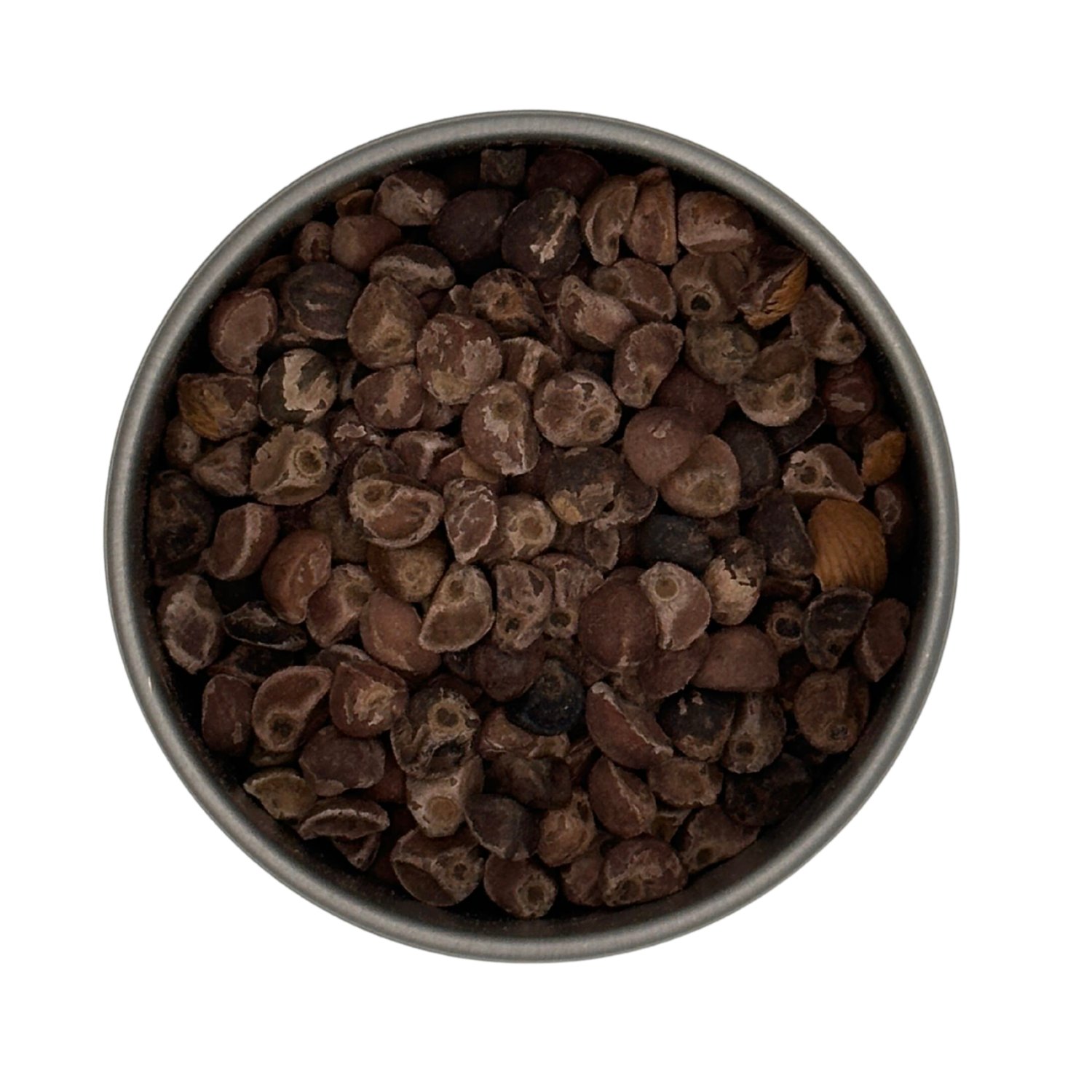
Syrian rue is Peganum harmala, a hardy perennial that grows as a low shrub across a broad band of dry country from the eastern Mediterranean and Middle East into South Asia. It is one of the oldest documented ceremonial plants in the world, used spiritually and religiously by many cultures for thousands of years, and its seeds were historically a source of a red dye. We sell the whole syrian rue seeds by weight. This is a plant that rewards careful reading before purchase: peganum harmala contains potent compounds that interact strongly with certain medications, so research it thoroughly and speak with a healthcare practitioner. We make no claims about its use.
West African seeds: akuamma and hunteria
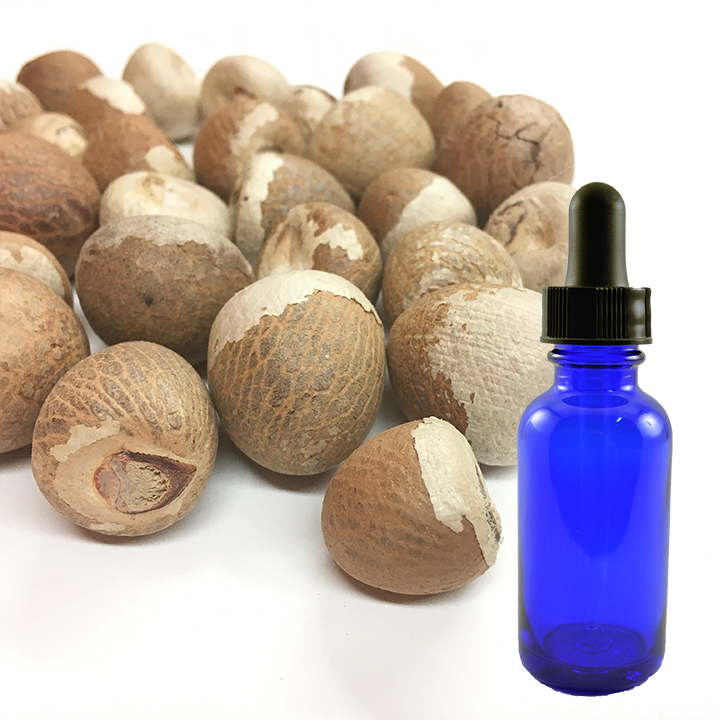
Two West African seeds get confused constantly, so it is worth being precise. True akuamma is Picralima nitida, a rainforest tree of the lower Niger; we do not currently stock it. What we do carry is Hunteria umbellata, a related tree in the same dogbane family (Apocynaceae) whose seeds are known regionally as "Erin" and sometimes sold under the loose nickname "false akuamma." They are different plants from different genera, and we label ours as exactly what it is. Both are comparatively uncommon on the Western botanical market, which is precisely the kind of supply chain where mislabeling thrives, so identity verification matters here more than almost anywhere.
Wild lettuce (Lactuca virosa)
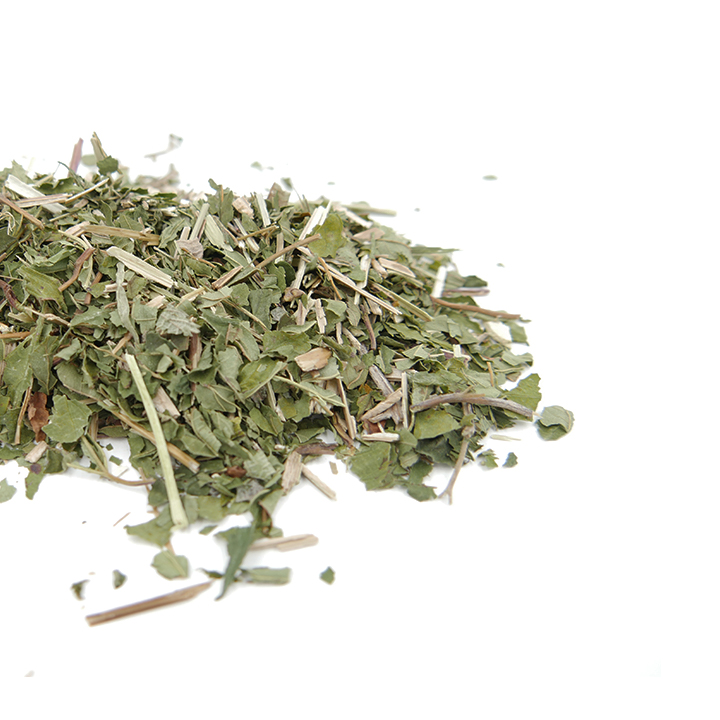
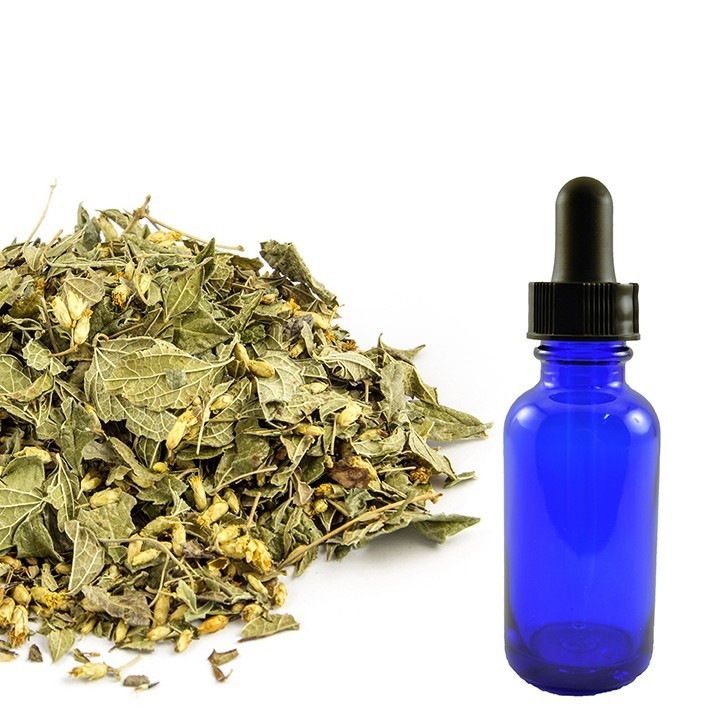
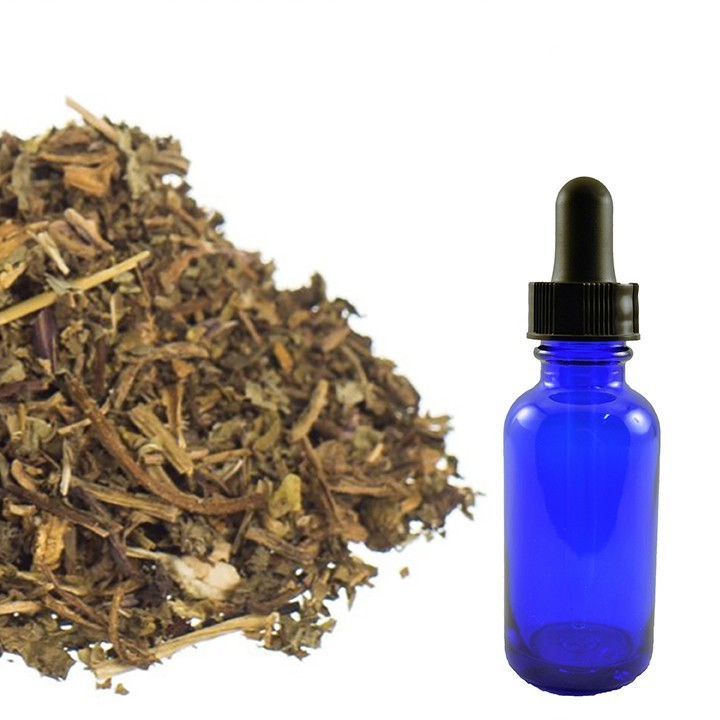
Wild lettuce is Lactuca virosa, a tall herb in the daisy family and a wild cousin of the lettuce in your garden. Native to Europe and naturalized widely, it exudes a milky white latex when cut, historically collected and called lactucarium. We carry Oregon-grown cut-and-sifted wild lettuce aerial parts, a concentrated wild lettuce extract, and a wild lettuce tincture. As with everything on this page, we sell it for educational and research purposes and make no therapeutic claims.
Buying Ethnobotanicals Carefully
Ethnobotanicals are uniquely vulnerable to substitution and adulteration in the supply chain. The same plant can vary enormously by source, season, and processing, and most online sellers disclose none of that. Check the botanical name on each product page, and ask us for a certificate of analysis if you want one.
Forms we carry
- Leaves & flowers: dried whole-plant material, the most flexible form.
- Roots & barks: denser, slower-to-extract material.
- Seeds: sold whole by weight, like syrian rue and the West African seeds.
- Extracts & resins: concentrated by ratio (4:1, 20x, 25x), and tinctures, which are liquid alcohol extracts.
where to buy
Where to buy ethnobotanicals
If you are searching for kanna near me, wild dagga near me, or any of these plants near you and you're in Portland, come by. Our shop at 5700 NE Sandy Blvd, Portland, OR 97213 has been in Portland for 14 years. Everywhere else in the country, the next best thing to "near me" is fast: most ethnobotanicals ship to all 50 states, within 24 hours of your order.
The main exception is Louisiana. Under that state's Hallucinogenic Plant Law (R.S. 40:989.2), we can't ship Blue Lotus, Pink Lotus, Lotus Leaf, Wild Dagga, Klip Dagga, Kanna, Damiana, Mugwort, or Indian Warrior to Louisiana, and checkout flags a restricted address automatically before you can pay. Wherever you are, you are responsible for confirming the rules in your own city, state, and country.
ethnobotanicals faq
Ethnobotanicals FAQ
What is kanna?
Is kanna legal in the US?
Where can I buy kanna near me?
Where do you ship ethnobotanicals?
What is an ethnobotanical?
How do I know I'm getting the real plant?
Are ethnobotanicals legal?
How should I store them?
from the blog
Guides from our blog
a note on use
A note on use
Ethnobotanicals carry deep traditions of careful, considered use. They are not casual products. We sell them for educational and research purposes and make no health or therapeutic claims. Many of these plants interact with prescription medications, particularly anything that affects monoamines, so research your specific plant, talk to a healthcare practitioner, and never combine without knowing what you're doing. Must be 21+ to purchase. Questions? Visit us at 5700 NE Sandy Blvd in Portland or reach out through our contact page.
What buyers say about our shop
4.6 stars across 330 Google reviewsThe place for whatever you need. Consistent and top shelf products, helpful staff, perfect availability. Jordan is an ethnobotanical guru; always courteous and patient. Never have I encountered someone with such a wealth of knowledge regarding ethnobotanicals and holistic medicine. If you ever drop by the SE location…
Good herb selection; reasonable prices. Lots of loose herbs, tinctures, smudge/incense, pipes. By herbs I mean various medicinal and alchemical herbs - I bought some lemon balm, organic roses, and lemongrass as well and bundles white sage and white pine. Good source for alternative/complimentary smoking herbs as well…
I discovered Herb Stomp 4 months ago. I have had many interactions with the staff of this store, all of which are so happy and upbeat. I have been trying for a couple of years to get pain relief that is non-narcotic. I am unable to use marijuana because of very bad paranoia. I am not against marijuana for relief, but…