

Buy maca root powder online. Peruvian-grown Lepidium meyenii in all three color varieties.
lepidium meyenii — root of the andes
Maca is a cruciferous root vegetable cultivated in the high Peruvian Andes, one of the few food crops that thrives at that altitude. We carry the root harvested, dried, and finely ground — yellow, red, and black — in sizes from 1 oz to 8 oz.
Best selling
about maca
What is maca root?
Maca (Lepidium meyenii) is a member of the brassica family — a cousin of radish and turnip — cultivated for thousands of years on the high plateaus of Peru, at elevations where almost nothing else grows. The root is harvested, sun-dried, and ground into a fine powder. That powder is the form nearly everyone buys today: a shelf-stable, scoopable version of a root vegetable that Andean families have treated as a staple food for generations.
Because maca is cruciferous, the fresh root looks like a small, squat turnip, and like its cabbage-family cousins it was traditionally cooked before eating. Quechua households roast or boil the roots, simmer them into porridge, and dry them for storage through the mountain winter. When you buy maca root powder, you are buying that same dried root, milled fine enough to stir into a glass or a mixing bowl.
As a food, the powder has a malty, earthy taste that folds easily into smoothies, oatmeal, coffee, and baking. Traditional Andean preparation cooks the root; our powder is dried and ground root, sold by weight from 1 oz to 8 oz.
Red, black, and yellow maca

All maca colors are the same species. The differences are natural color phenotypes, pigment in the skin of the root, and the roots grow side by side in the same fields. Growers sort them by hand at harvest: yellow makes up the majority of any crop, red is a smaller share, and black is the scarcest of the three. The colors also taste a little different, which is the honest, practical reason to pick one over another. All three of our color varieties come from Peruvian growers — yellow for the classic flavor, red and black for the rarer colors.

Most common
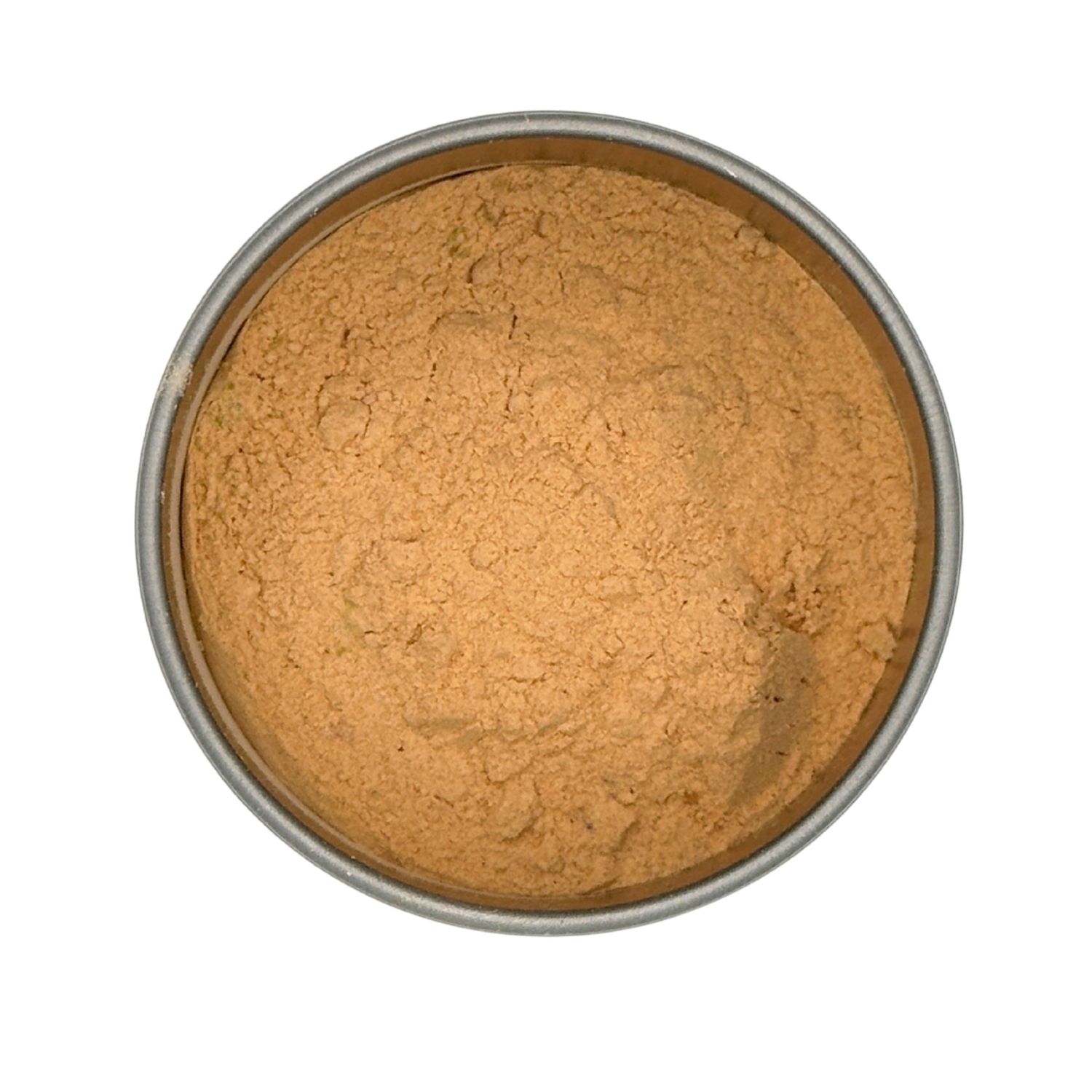
Yellow maca
The most abundant variety, making up the majority of every Andean harvest. Mild, earthy, slightly nutty: the classic maca flavor and the usual starting point.
Middle harvest
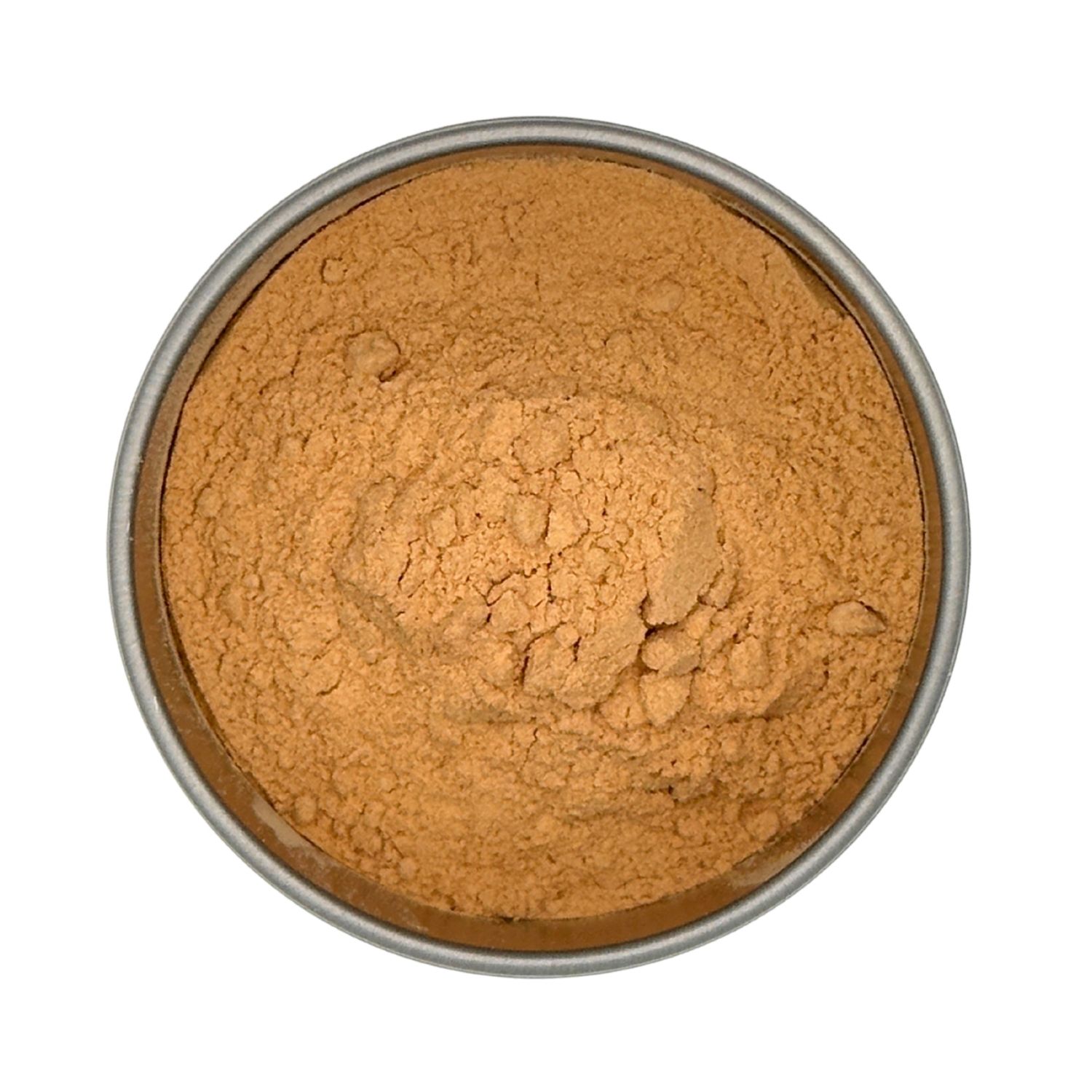
Red maca
Rarer than yellow, with a rose-tinged root and a slightly sweeter, softer taste. Red roots are sorted by hand from the same high-altitude fields.
Rarest
Black maca
The scarcest color, only a small fraction of each harvest. Darker root, more assertive, earthier flavor than yellow or red.
Gelatinized vs raw maca powder
Two terms come up constantly when people shop for maca, and neither has anything to do with gelatin. Raw maca powder is the straightforward product: the root is harvested, dried, and milled, and the powder keeps all of the root's natural starch. Gelatinized maca takes the process one step further. The dried root is heated under pressure before milling, which breaks down and removes much of that starch. The name refers to the starch gelatinization that happens during cooking, the same chemistry that thickens a sauce.
The practical differences are simple: gelatinized powder is more concentrated by weight, dissolves more readily in liquid, and echoes the traditional Andean habit of cooking the root before eating it. Raw powder is the less processed of the two. The maca we carry is milled from the dried root, and none of our current listings carries a gelatinized label; each product page lists exactly what is in the bag.
How maca is grown and harvested
Maca holds an odd botanical record: it is one of the highest-altitude food crops on Earth. Most of the world's supply is cultivated on the Junín Plateau of central Peru at roughly 12,000 to 15,000 feet, in thin air, harsh sun, and freezing nights where almost no other crop survives. The plants hug the ground as low rosettes of leaves, and the part that matters, the root, swells underground over a growing season of several months.
Harvest is still largely hand work. Roots are pulled, sorted by color, and dried in the high-altitude sun, a traditional step that concentrates flavor and readies the root for storage or milling. From there the dried roots are ground into the fine, tan-to-cocoa-colored powder sold by weight. It is a genuinely old crop handled in a genuinely old way, which is part of why we sell it: buy maca root powder from the Andes and you are buying a food with an unbroken two-thousand-year history.
maca faq
Maca FAQ
What is maca root powder?
What does maca taste like?
What is the difference between red, black, and yellow maca?
Is your maca gelatinized or raw?
What sizes do you carry?
How do people use maca powder?
How should I store it?
Do you ship maca everywhere in the US?
maca in portland
Looking for maca near you?
If you're in Portland, our shop at 5700 NE Sandy Blvd, Portland, OR 97213 keeps Peruvian maca on the shelf alongside the rest of the single-herb library, and we've been in Portland for 14 years (more on the about page). Everywhere else, weekday orders ship within 24 hours of being placed via USPS. Full details on our shipping page.