
Kava — sometimes called kava tea — is the traditional beverage of the South Pacific, made from the root of Piper methysticum. Unlike most teas, it is not steeped in hot water; it is a cold-water extraction, kneaded in cool water to release the root's compounds.1 Here is how to make it both the traditional way and the fast way, plus what to expect from the taste.
What is kava?
Kava is a robust perennial shrub in the black-pepper family (Piperaceae), native to the tropical Pacific and believed to have originated in northern Vanuatu, from where early voyaging cultures carried it across Oceania.12 It is grown across Fiji, Vanuatu, Tonga, Samoa, Hawaii, and the Solomon Islands, and has been prepared into a shared drink — often called "grog" — for well over a thousand years.1
One term worth knowing: noble kava. Regulators and researchers distinguish noble cultivars — the traditional varieties long used for daily beverage drinking — from tudei ("two-day") or non-noble types, which have a different kavalactone profile and are not traditional drinking varieties.13 We stock noble kava like Fiji Waka and Vanuatu ceremonial kava.
How to make kava the traditional way
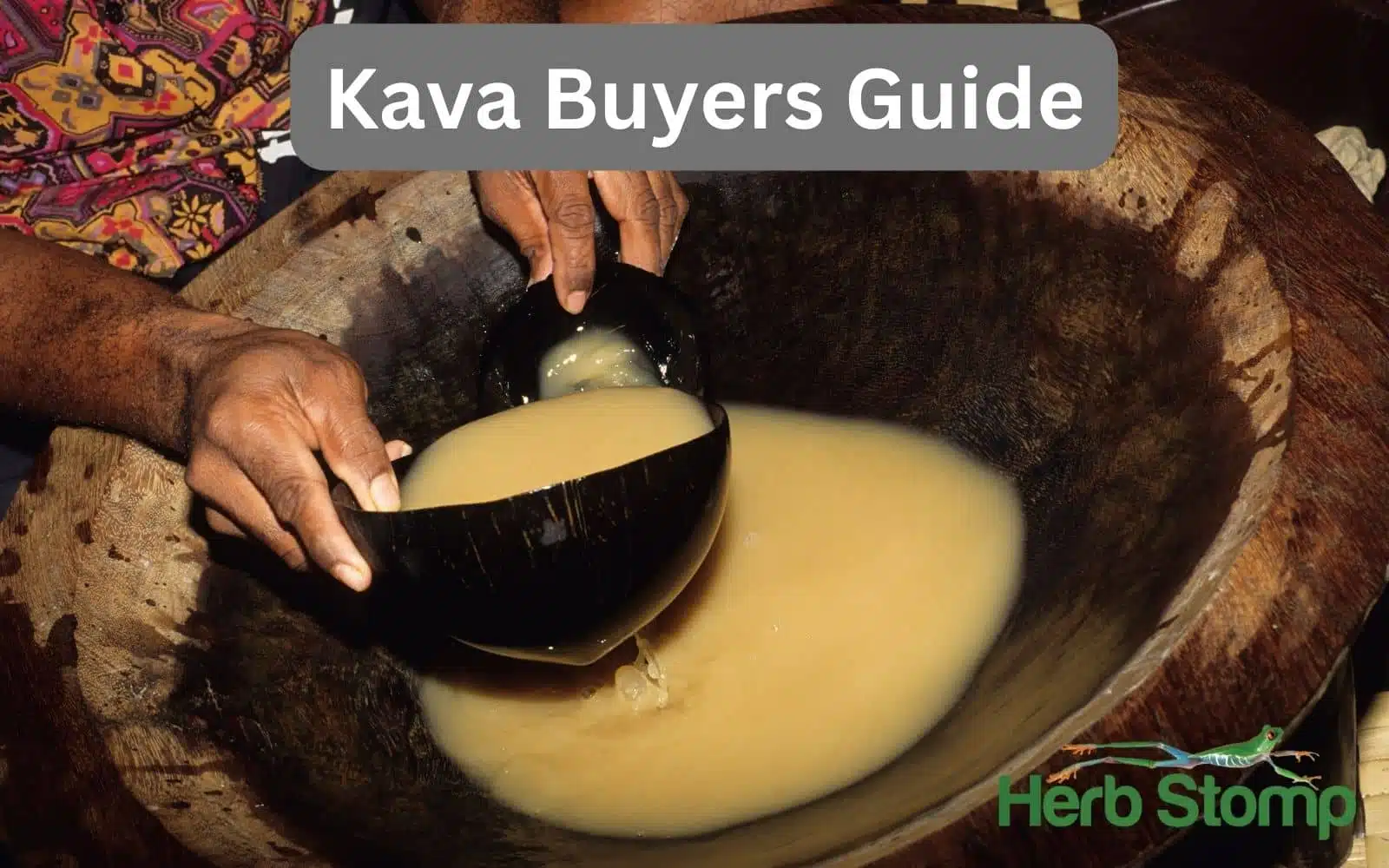
The classic method uses ground kava root, cool water, and a straining cloth. As food regulators describe it, dried kava is "ground finely, wrapped in cloth and infused in water," then "drunk from a cup or sometimes a coconut shell."1
- Combine root and cool water. A few tablespoons of ground root per cup of cool or room-temperature water is a common ratio. Put the root inside a muslin straining bag and set it in a bowl of the water.
- Knead for several minutes. Squeeze and massage the bag under the water for about 5–10 minutes. The water turns cloudy and tan as the compounds release — this kneading (not heat) is the whole technique.1
- Wring it out. Squeeze the bag firmly to press out the last of the liquid, then discard the spent root.
- Serve. Traditionally kava is served at room temperature in a cup or coconut shell and drunk promptly.1
The modern shortcut: an AluBall shaker
If hand-kneading sounds like work, the AluBall kava shaker is the popular shortcut: add ground root and water to the bottle, drop in the AluBall strainer, and shake for a minute or two instead of kneading. Same cold-water idea, far less effort and mess.
Even faster options
- Instant kava — micronized, dissolvable powder. Just stir it into water; no straining.
- Kava shots and kava extracts — concentrated, ready-to-go formats.
What does kava taste like?
Earthy and peppery, a little bitter and muddy — it tastes like the root drink it is. (The name itself traces to Pacific words meaning "bitter.")4 The signature quirk is that it briefly numbs and tingles the tongue and lips: this comes from the local-anaesthetic action of the root's kavalactones, the characteristic compounds in kava.14 Many people drink it quickly and follow with a chaser. First-timers should expect "rustic," not "dessert."
Tips for a better cup
- Use cool or lukewarm water, never boiling — kava is a cold-water extraction.1
- Strain well; a smoother pour is a more pleasant drink.
- Start with a noble kava like Fiji Waka if you are new.
- Have a chaser ready if the earthy taste is not for you.
Is kava legal?
Yes — kava is legally sold in the United States as a dietary supplement, and it is enjoyed at kava bars across the country.5 As with all dietary supplements, the FDA does not approve it before sale.5 It is offered as a traditional beverage botanical.
Ready to brew a bowl? Start with our kava collection — noble roots, instant, extracts, and the AluBall shaker to make it easy — all shipped within 24 hours from Portland, Oregon.
Sources
- Food Standards Australia New Zealand, "Kava (Piper methysticum) beverage," Proposal P1057 SD1 (risk assessment). foodstandards.gov.au
- Kew, Plants of the World Online — Piper methysticum G. Forst. powo.science.kew.org
- Soares RB, et al. Review of kava (Piper methysticum) constituents and cultivars. Molecules, 2022 (PMC9315573). pmc.ncbi.nlm.nih.gov
- University of Hawaiʻi at Mānoa Library, "Pacific Crops: Kava." guides.library.manoa.hawaii.edu
- NIH National Center for Complementary and Integrative Health (NCCIH), "Kava." nccih.nih.gov/health/kava