

Buy kava online. Noble root powder, instant, extracts, and tinctures.
piper methysticum
Noble root from Vanuatu, Fiji, the Solomons, and Hawaii. Plus instant, extracts, and tinctures. Strained traditionally, shipped within 24 hours.


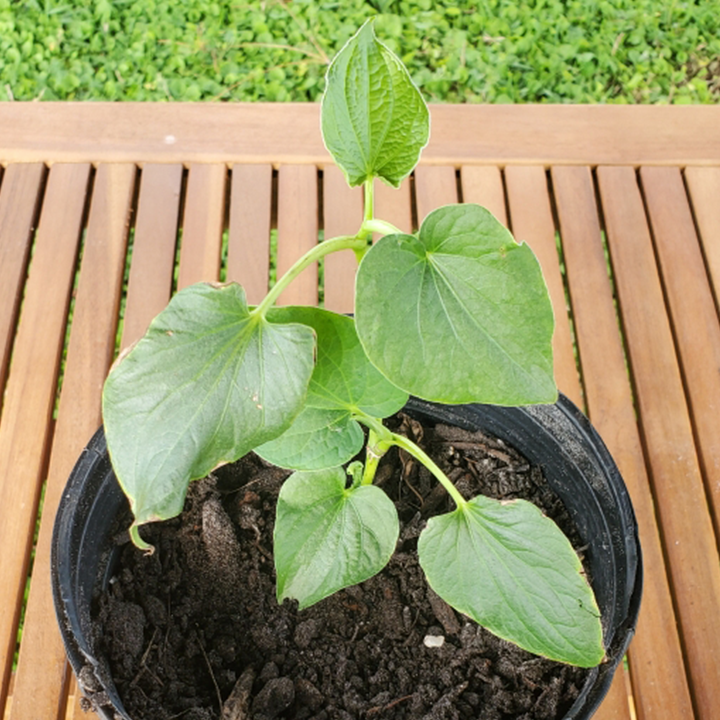


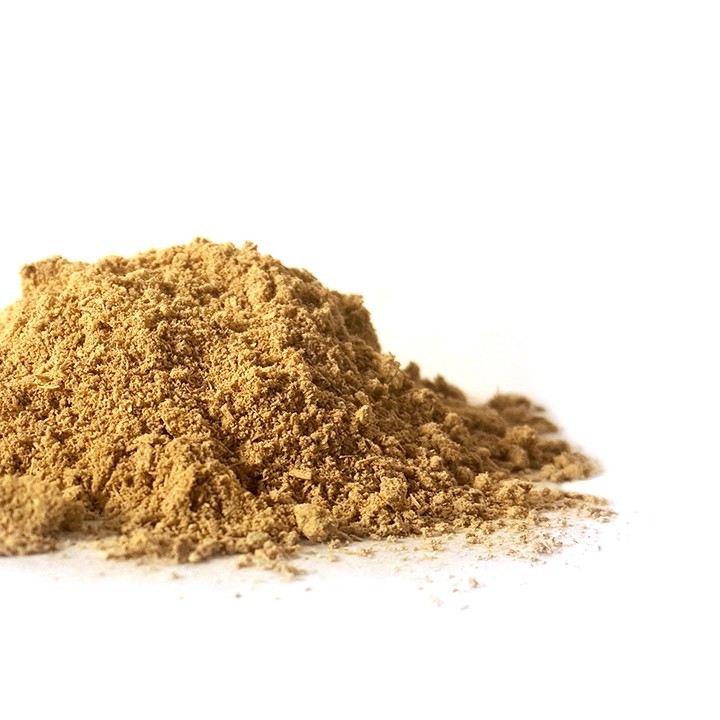

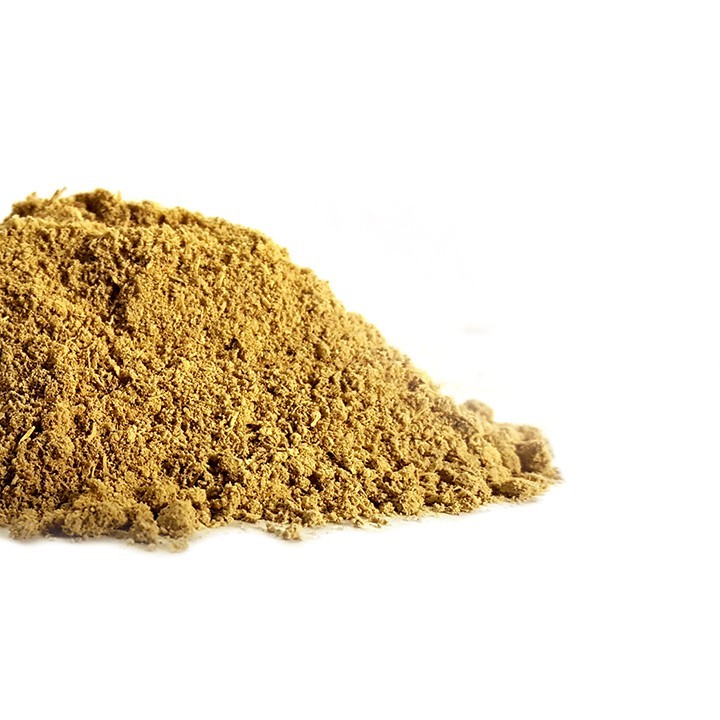
noble only
Drinkable cultivars.
We don't sell tudei or wichmannii cultivars — only noble varieties. Cleaner, gentler, traditional.
single-origin
Sourced by island, not bulk.
Most kava on the market is blended. Ours tells you exactly where the root came from and which cultivar you're drinking.
freshness
Small batches, sifted here.
Every batch is sifted in-shop and run through an earth magnet, then sealed and dated. No three-year-old powder.
about kava
What is kava?
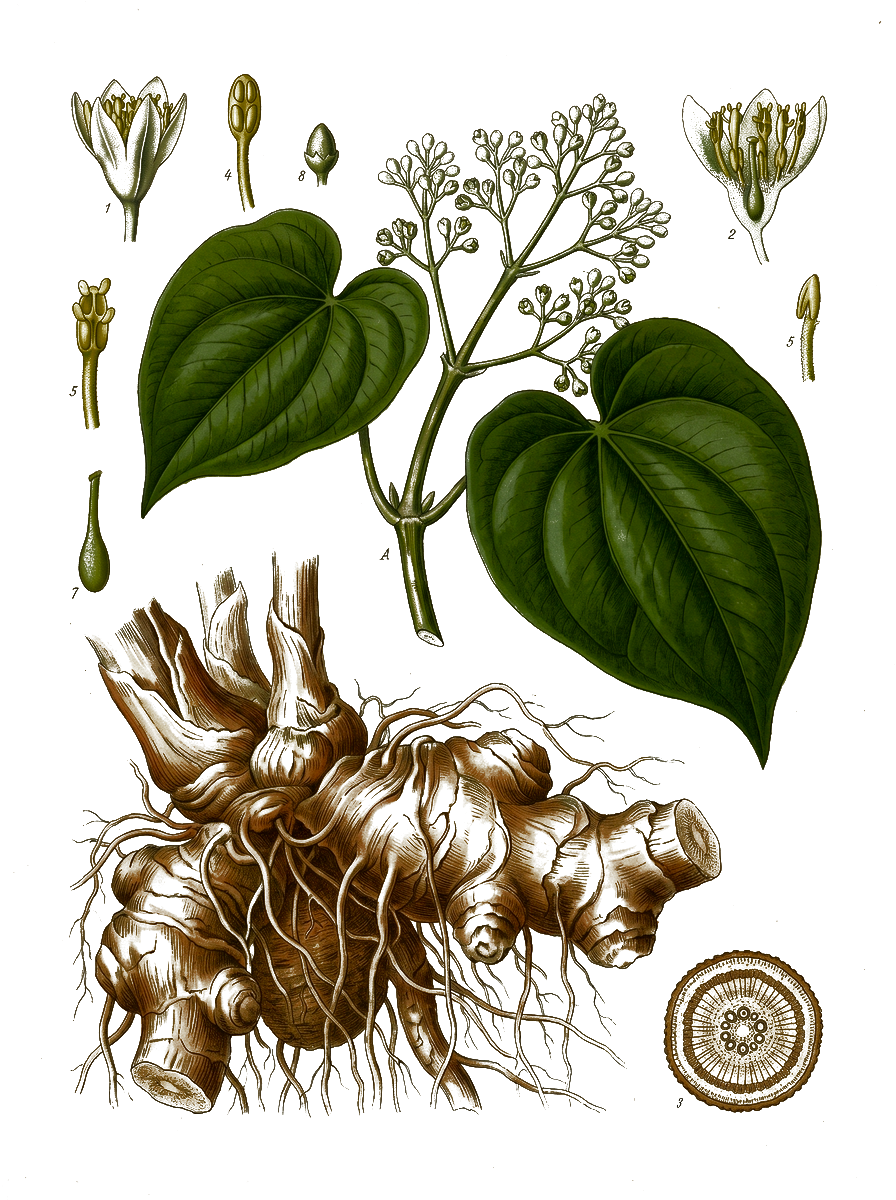
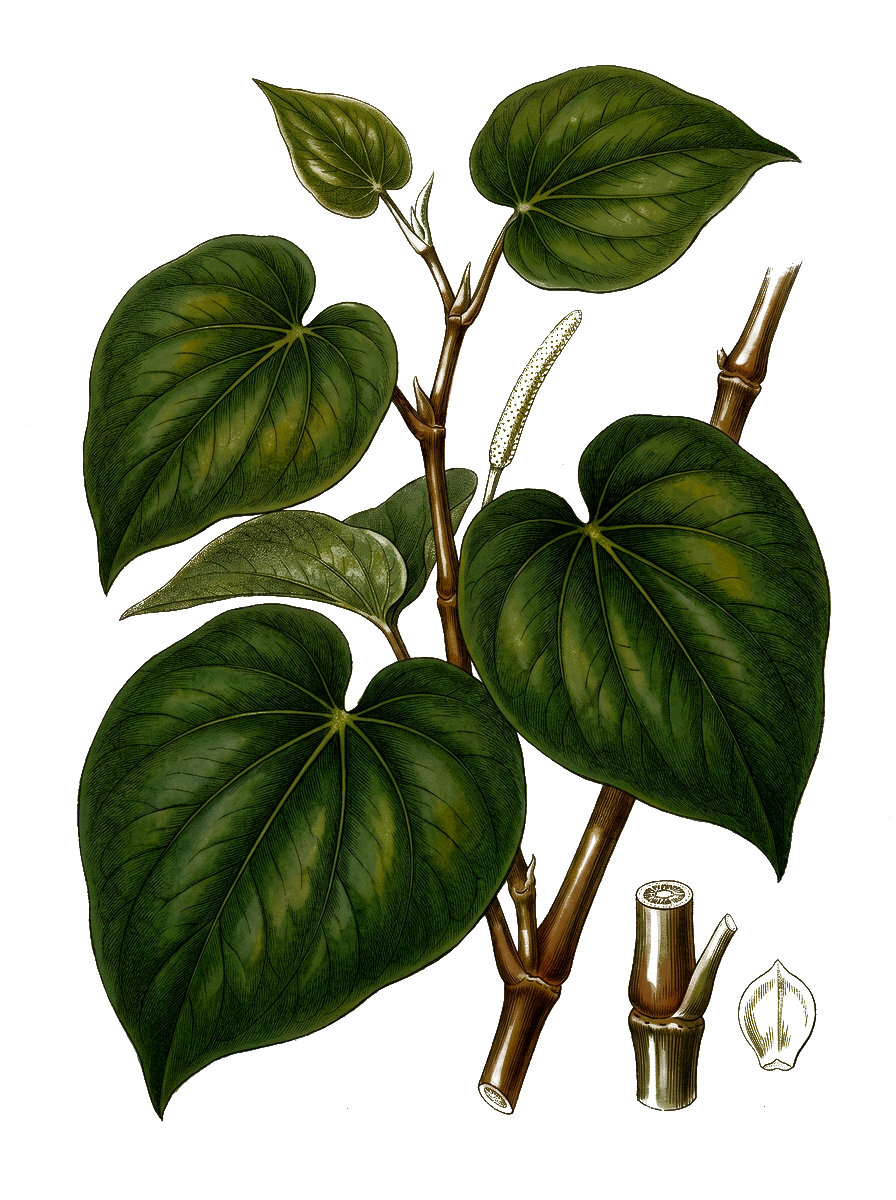
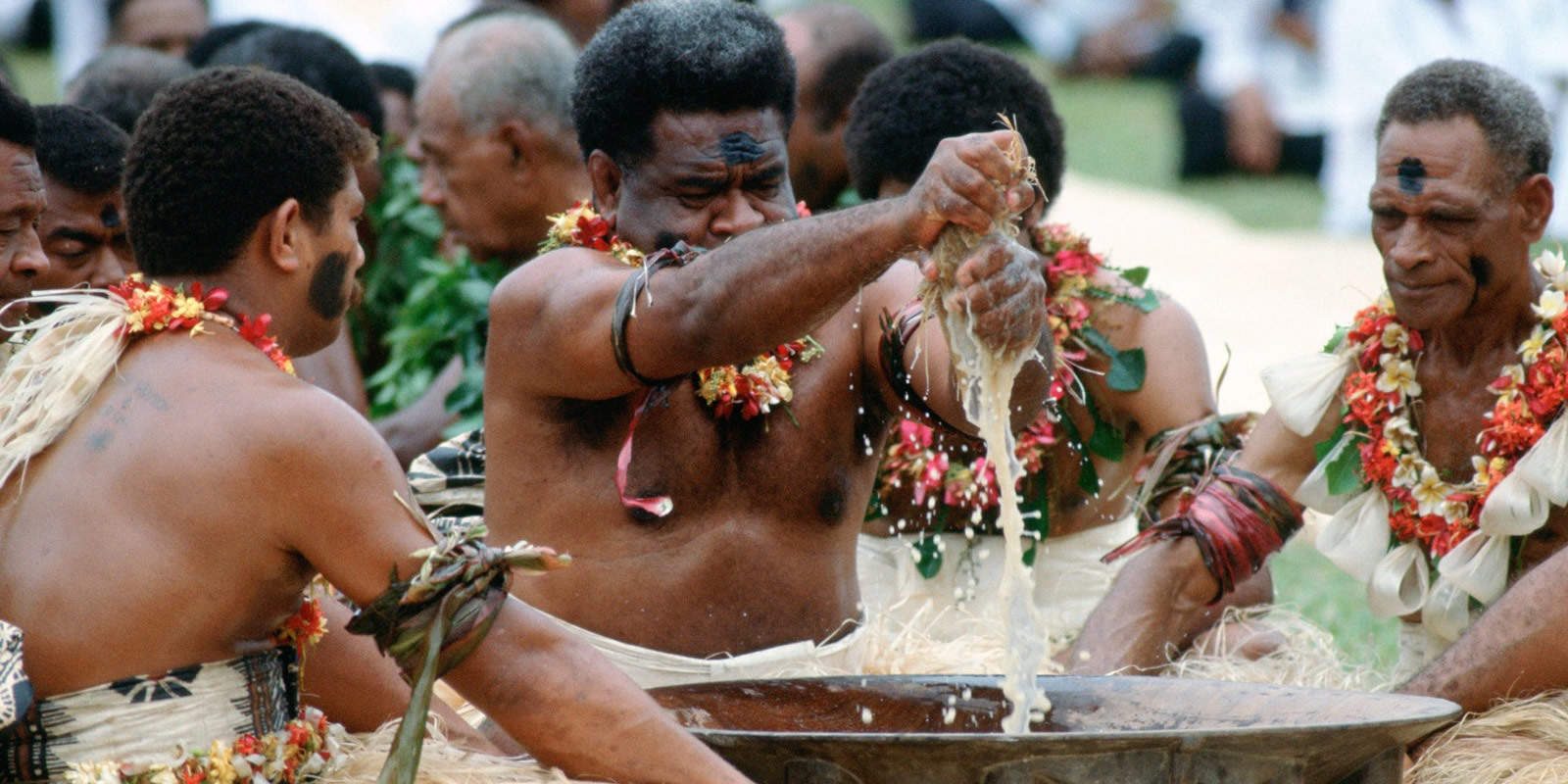
Kava (Piper methysticum) is the dried, ground root of a Pacific shrub. Mixed with water, strained, and consumed as a thick brown drink — it's been central to ceremony, hospitality, and social gathering across Vanuatu, Fiji, Samoa, Tonga, and Hawaii for at least 3,000 years.
The kava drink itself is earthy, peppery, and famously an acquired taste; the first thing most people notice is a mild tingling where it touches the lips and tongue. In the islands it's shared from a communal bowl, one coconut-shell cup at a time, and the same root prepared the same way is what you're buying on this page.
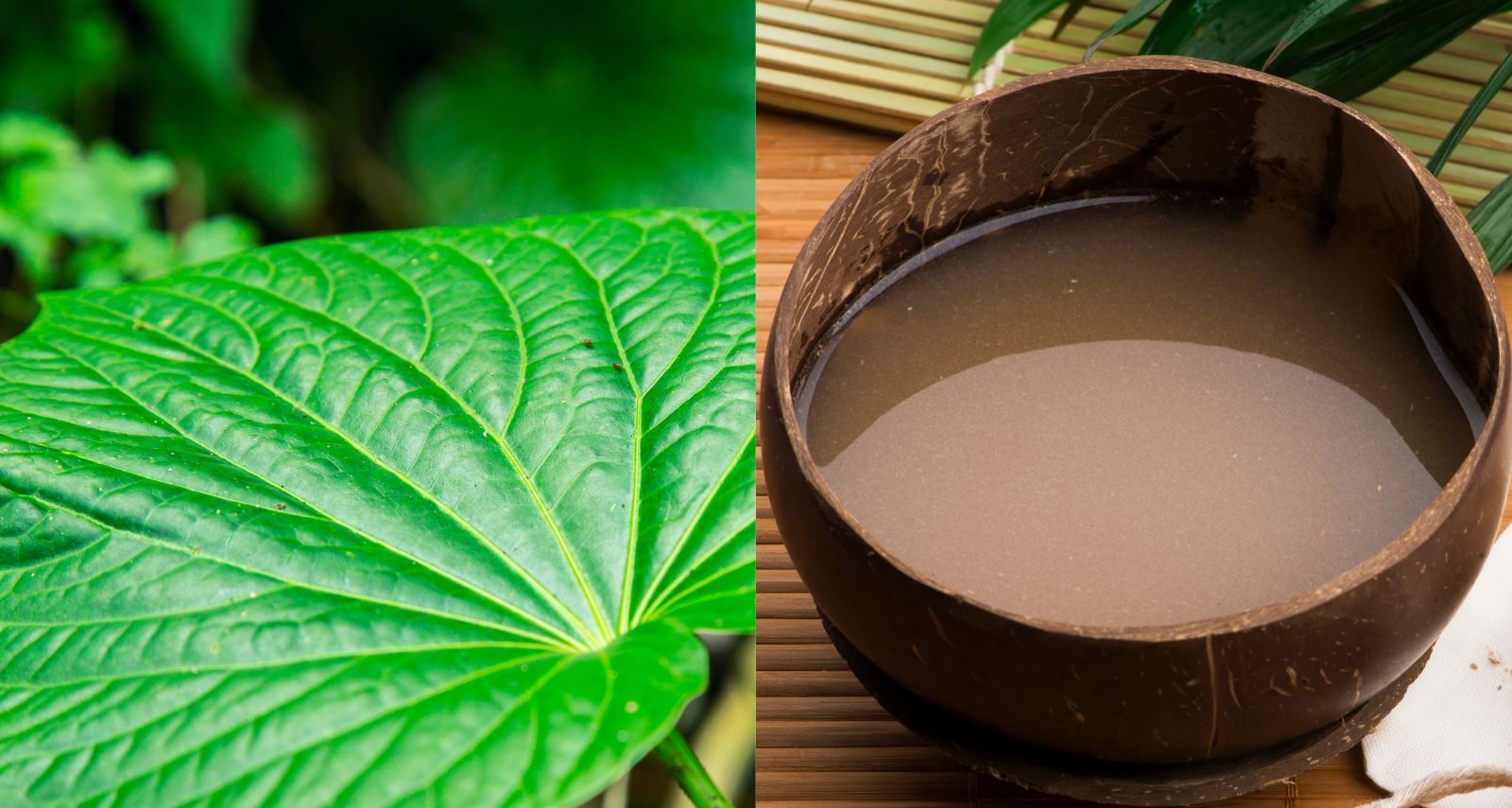
What is kava root?
Every product on this page starts as kava root. Only the underground part of the plant is used: the rootstock is harvested after several years of growth, washed, dried, and pounded or milled into powder. The leaves and stems are never part of properly made kava; traditional practice and modern export standards both use root material only. When you see the doubled name "kava kava root," that's the same thing. The repetition stuck from early botanical trade, where doubling a name marked the true, prized variety of a plant.
The rootstock has two distinct parts. The lateral roots (called waka in Fiji) are the long, thin runners that spread outward, and they carry the highest concentration of kavalactones. The thicker basal stump and rhizome (lawena) is milder, with a noticeably different balance of compounds. Some of our Fijian kava is sold as separated waka for exactly that reason, and it's part of why two bags of "the same" kava can drink so differently.
What are kavalactones?
Kavalactones are the family of compounds that make kava, kava. Researchers have identified eighteen, but six account for almost all of the content in the root: kavain, dihydrokavain, methysticin, dihydromethysticin, yangonin, and desmethoxyyangonin. Each cultivar produces these six in a characteristic ratio (recorded as a six-digit "chemotype"), and total kavalactone content in dried root typically runs from a few percent up to the high teens depending on the cultivar, the age of the plant, and which part of the root was used. That ratio is the real difference between one kava and another, which is why we sell by origin and cultivar instead of generically.
Why "noble only"?
There are two main classes of kava: noble and non-noble (tudei, wichmannii, and isa). Noble cultivars have been selectively bred for thousands of years for drinkability — cleaner, faster-clearing, gentler on the body. Non-noble varieties carry compounds (like flavokavain B) associated with longer-lasting effects, harsher comedowns, and historical concerns about liver impact.
We don't stock non-noble kava. Every root on this page is a confirmed noble cultivar from a known source.
Vanuatu vs. Fiji vs. Solomon vs. Hawaii
Most kava-drinking countries have a regional style. Roughly:
- Vanuatu — the deepest legal regulation of kava cultivation; most Vanuatu kava you'll find is high-quality noble.
- Fiji — growers often separate the lateral root (waka) from the upper-rhizome (lawena), even within a single cultivar.
- Solomon Islands — value-priced and underrepresented in the US market.
- Hawaii — small-batch, expensive, and increasingly hard to find. The Mahakea cultivar is one of our favorites.
Kava powder, instant, extract, and shots
Kava comes in more formats than most botanicals, and the names get used loosely around the internet, so here is what each one actually is and who it suits.
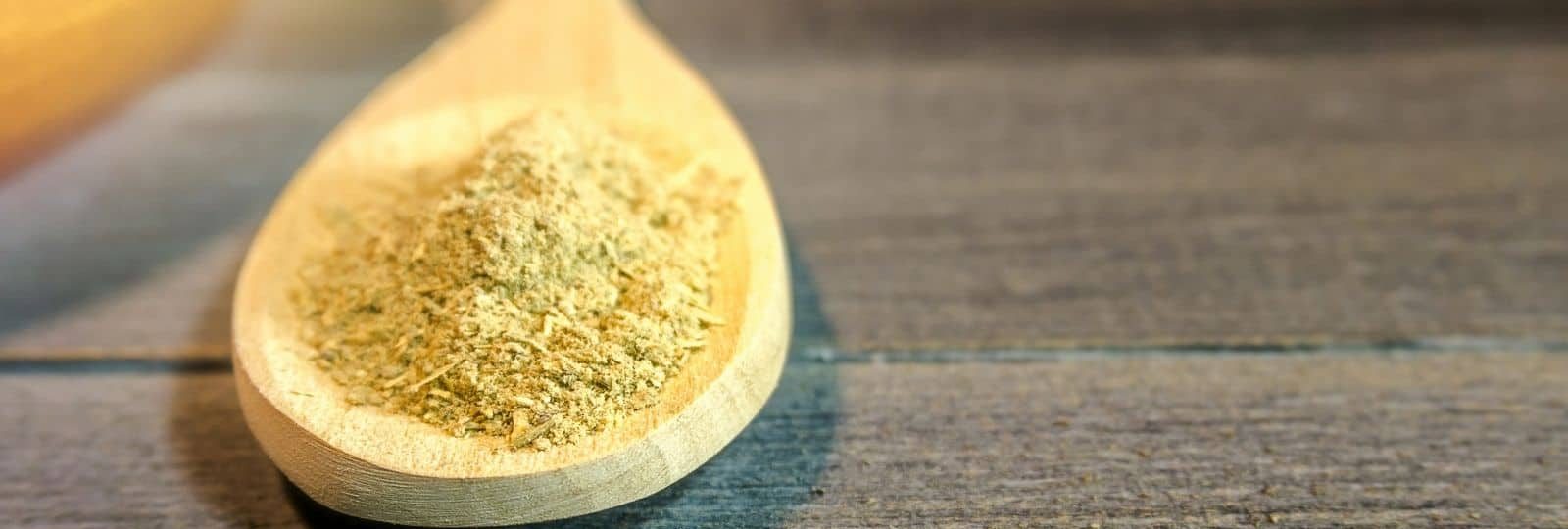
Traditional kava powder (whole root, medium grind) is what people mean when they talk about real kava. You knead it in warm water inside a strainer bag for about ten minutes, squeeze, and drink. It's the most flavorful and most economical way to drink kava, and it's how our house kava root and single-origin roots like Vanuatu Ceremonial are meant to be used.
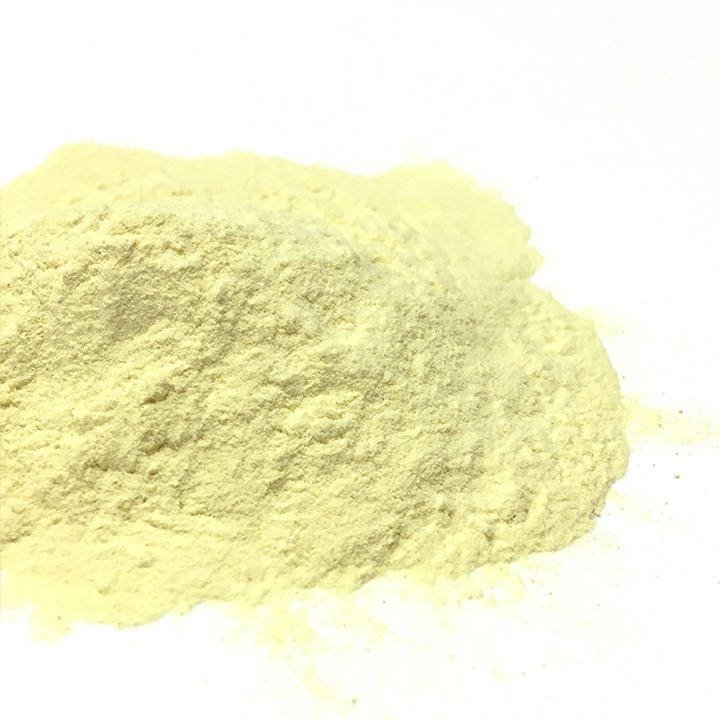
Instant kava is not just finely milled root; it's the pressed juice of fresh kava, dehydrated to a powder. It dissolves straight into water or juice with no straining and no kneading, which makes our instant kava the format we hand to first-timers who don't own a strainer bag yet.
Kava extract is concentrated kavalactone powder. We carry a 30% kavalactone extract and a 70% kavalactone extract; a tiny scoop goes a long way, so a small jar lasts. The kava tincture is the liquid version, alcohol-extracted and taken in drops.
Kava shots are the ready-to-drink format: a small bottled liquid you just open. Our Kava Shot is one of the most popular items in the shop for exactly that reason. No prep, no cleanup, and it travels well.
What is a kava bar?
A kava bar is exactly what it sounds like: a social spot built around bowls of kava instead of pints of beer. The model borrows from the nakamals of Vanuatu and the village kava circles of Fiji, where kava has always been the drink you gather around to talk, settle business, and wind down the day. Stateside kava bars keep the alcohol-free social format and usually serve traditionally strained kava by the "shell" alongside other botanical drinks — kratom is a common one.
Kava bars have opened in cities across the U.S. over the last decade, Portland included, and we think that's great for kava. Our shop isn't a bar; we're the supply side. If a kava bar got you curious, the same noble root you drank there is what we sell by the bag, and our prep guide will get you from powder to shell in about ten minutes at home.
A note on use
Kava is a traditional beverage; the FDA does not endorse therapeutic claims. Don't combine with alcohol or sedatives. Drink water. If you're pregnant, nursing, on liver medication, or have a liver condition, talk to your doctor first. Must be 21+ to purchase.
kava faq
Kava FAQ
Where do you ship kava?
What does "noble kava" mean?
What are kavalactones?
How long does kava last?
Whole root, instant, or extract: which do I want?
Do you sell kava shots?
How do I prepare traditional kava?
Is your kava tested?
How should I store kava?
from the blog
Guides from our blog
kava near me
Looking for kava near you?
If you're in Portland, skip the wait entirely. Our shop at 5700 NE Sandy Blvd, Portland, OR 97213 stocks every root, extract, and shot on this page, and we've been in Portland for 14 years (more on the about page). Everywhere else, the next best thing to "near me" is fast: kava is legal in all 50 states, and orders ship within 24 hours via USPS or UPS from that same shop. Full details on our shipping page.
What kava buyers say about our shop
4.8 stars across 284 Google reviewsLove this place. Rowan is especially awesome. I, for some reason, just discovered kava, and they were so knowledgeable, kind, and helpful with all of my unknowings towards it. Thank you Rowan!
Excellent herb shop! Extremely helpful staff with an extensive collection of herbs and ethnobotanicals. Kava, kratom, etc. All good quality and prices.
Best prices and quality for kratom in the city.Excellent selection of kava, too.Very friendly clerks and clean store.